Istanbul
The city where East meets West; not only geographically, but also culturally. A trove of landmarks from both Christian Byzantine Empire and the Muslim Ottoman Turks, the city is covered in rich history for the curious traveller.
Explore recommended itineraries, schedules and pricing to help plan your visit to Istanbul.
What Makes Istanbul Special?
Historically the city is known as “The City of the World's Desire”, which emphasizes the strategic importance of its location. Turkey being a crossroads in between the two continents of the “Old World”, was a hub of commercial activities for traders. Anyone who controlled Constantinople also controlled the only passage into the Black Sea.
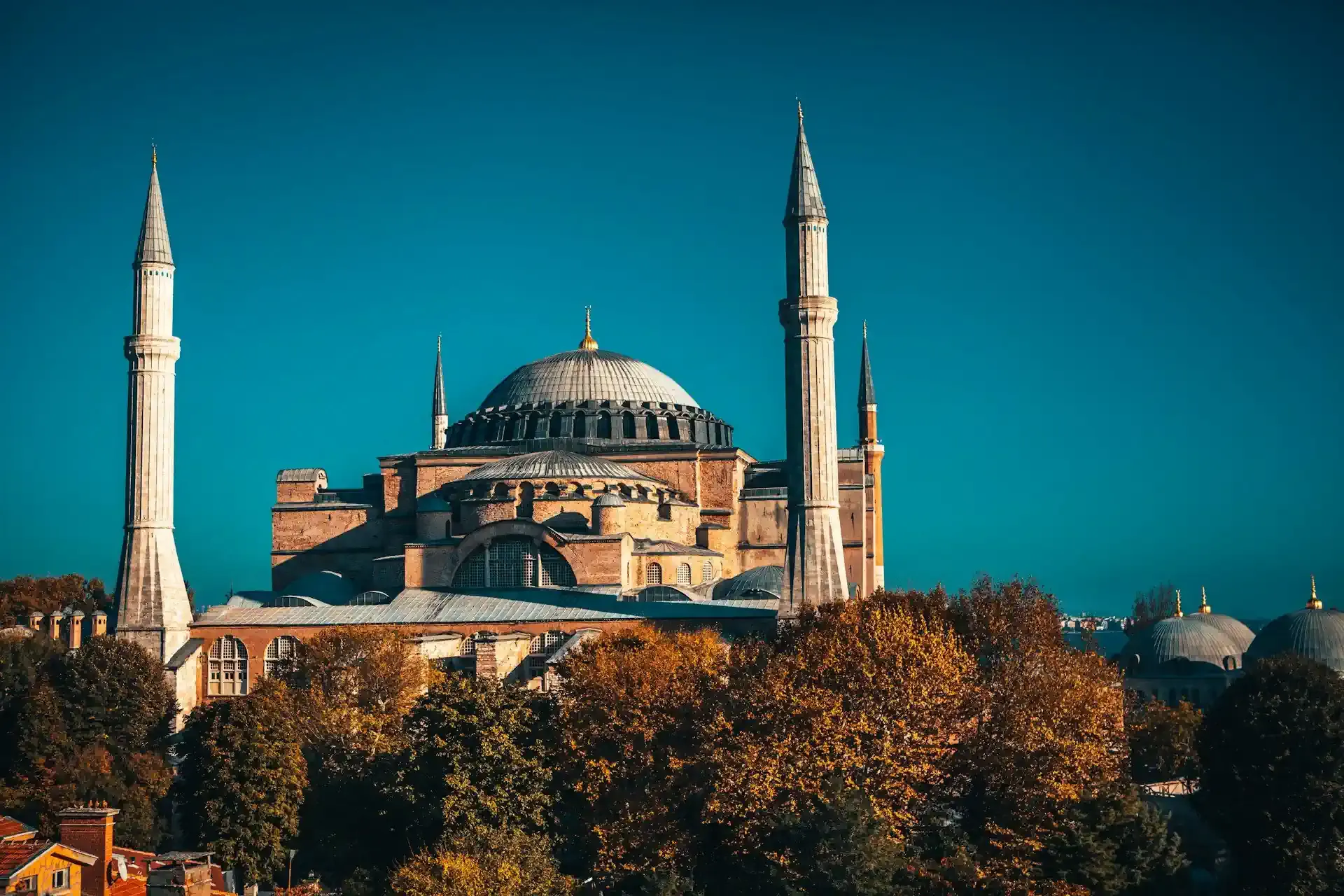
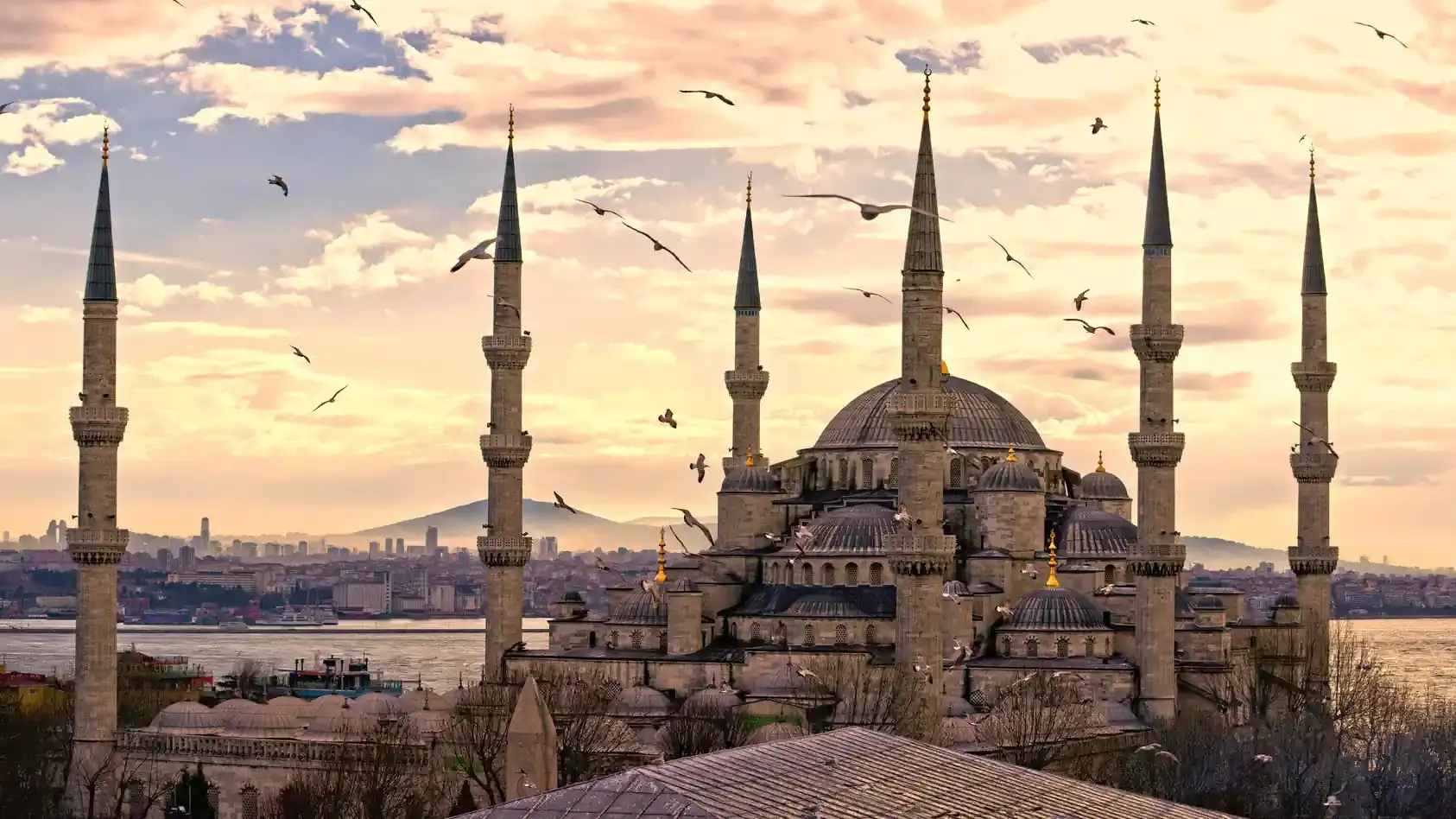
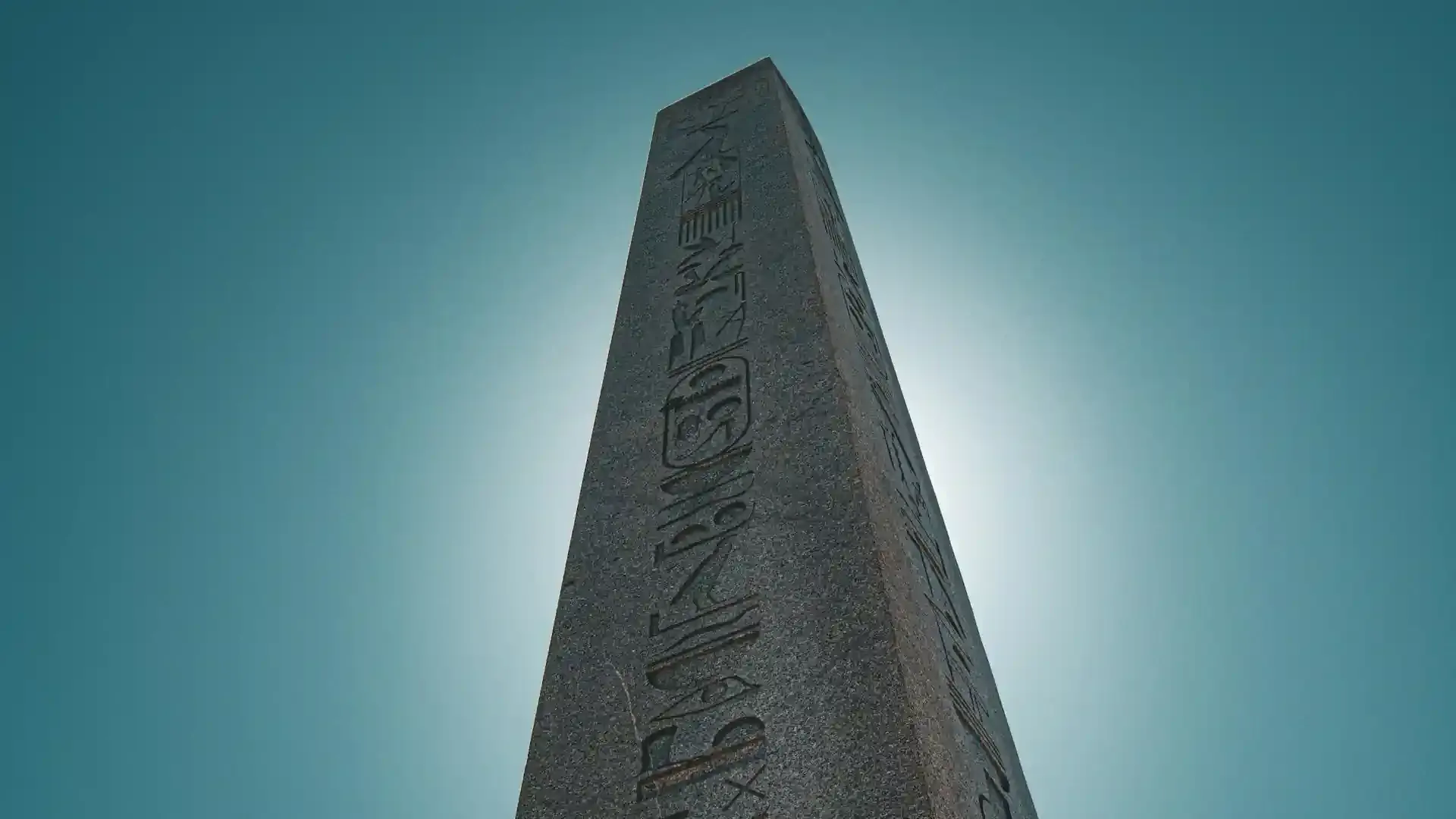
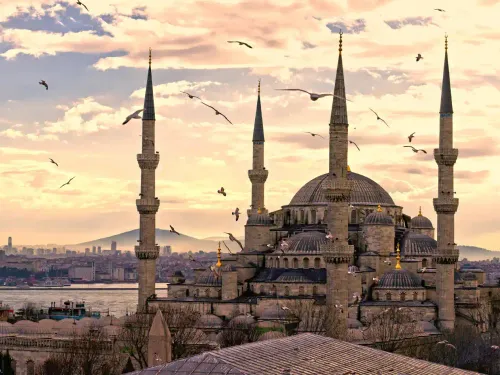
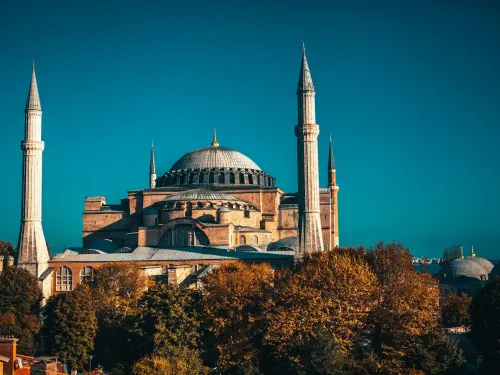
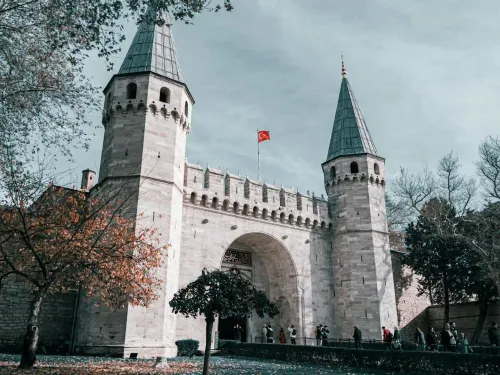
The old name of the city “Constantinople” derives from the Roman emperor Constantine the Great. The city is most famous for Hagia Sophia, a church that was converted into a mosque after the conquest of Sultan Mehmed the Conqueror. Both Hagia Sophia and the Blue Mosque (named after its blue tiles) now reside where used to be the Hippodrome of the Romans. This region of the city named “Sultanahmet” or “The Old City” is where one can also visit the Palace of the Ottomans, “Topkapi”.
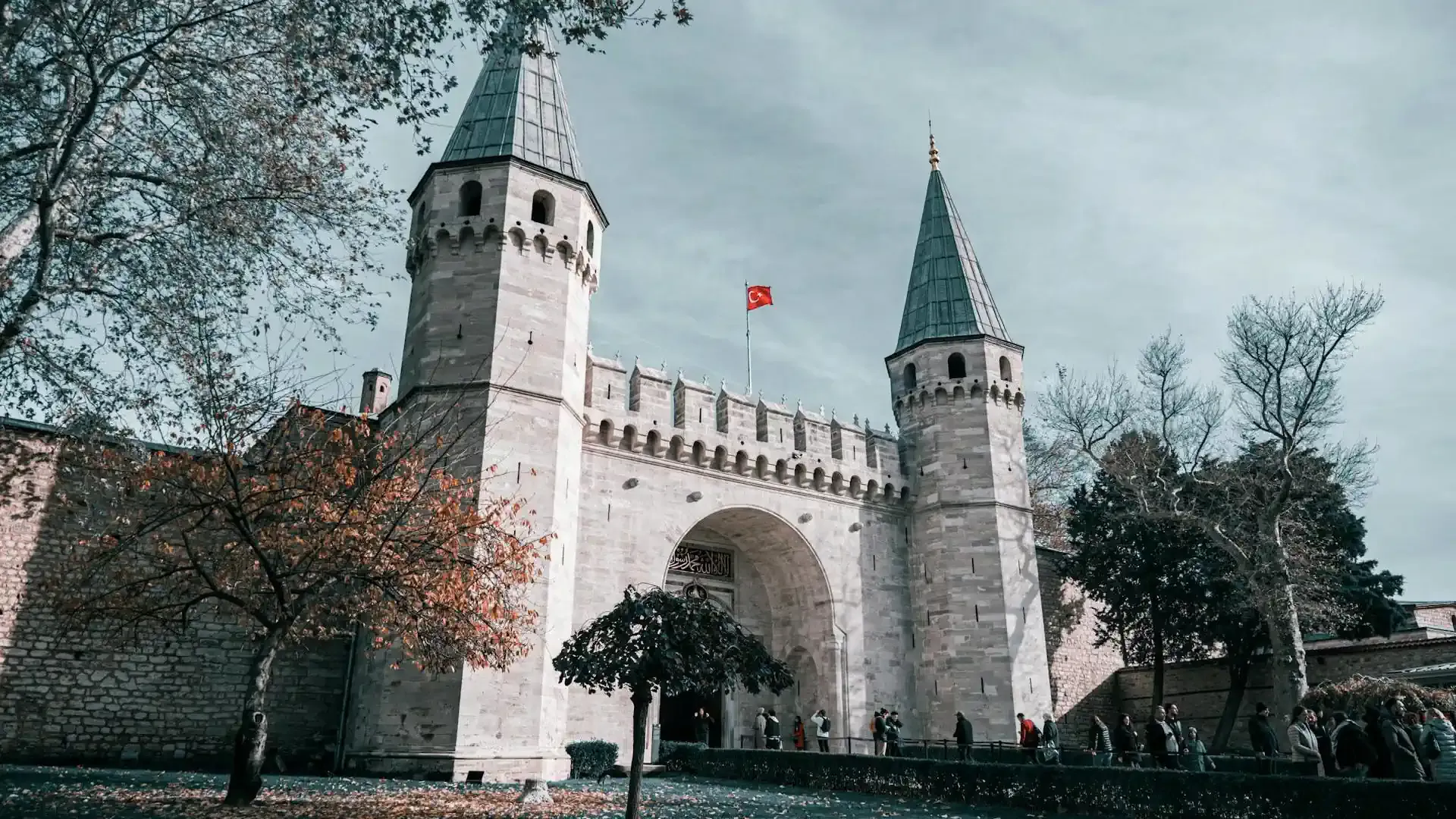
During the Ottoman era, the city had a mixed population of Muslims, Christians and Jews. Therefore, many mosques built by the Sultans or churches and synagogues built by the non-Muslim traders and artisans can be found in the city. Very much like other big cities in the world, most of the venues for concerts and plays of the country are located here, as well as some of the biggest museums such as the Istanbul Archaeology Museum. Of course with such a huge history, museums of every kind can be found in Istanbul. Many of the museums can be found around the Hippodrome area.
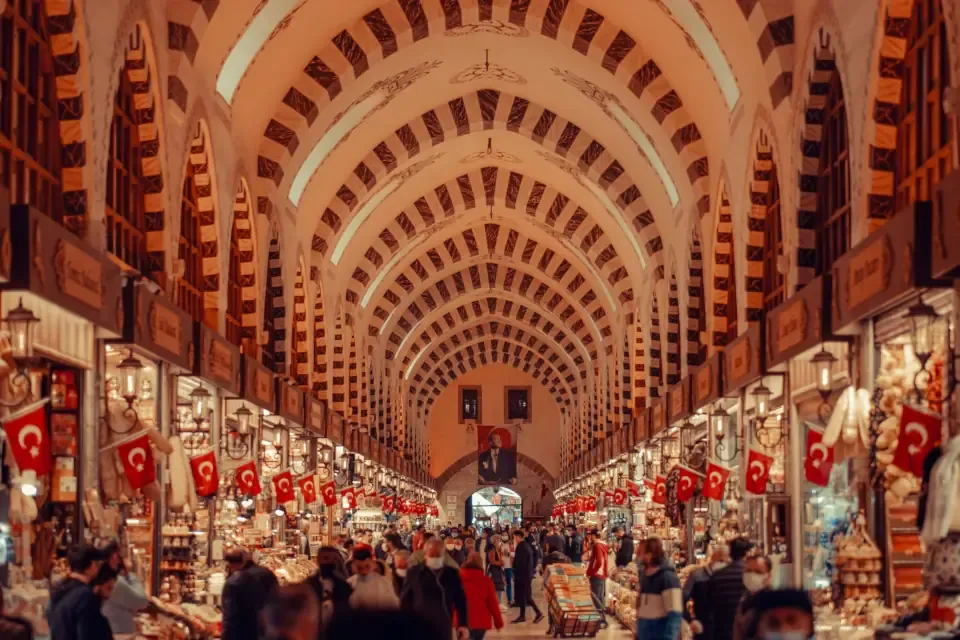
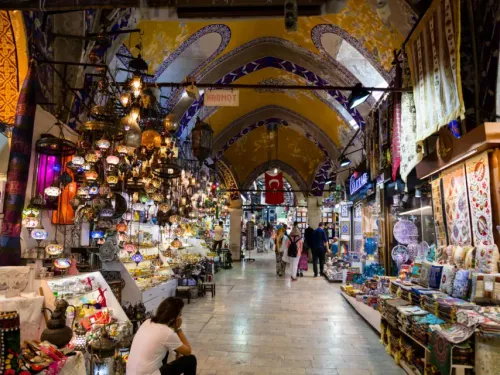
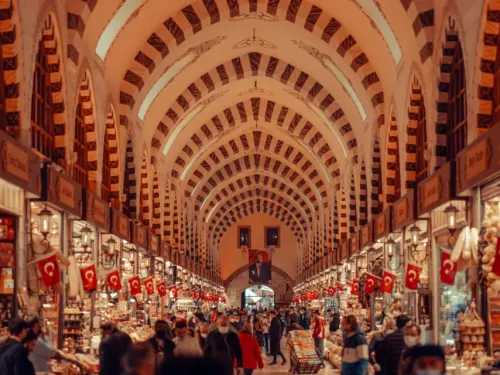
Beyond its monumental architecture, Istanbul has served as a global crossroads of commerce for centuries, best embodied by its famous historical markets. The 15th-century Grand Bazaar (Kapalıçarşı) stands as one of the world’s oldest and largest covered market networks, filled with thousands of shops specializing in hand-knotted carpets, gold jewelry, and traditional ceramics. Just steps away along the Golden Horn waterfront in Eminönü, the 17th-century Spice Bazaar (Mısır Çarşısı) surrounds visitors with vibrant colors and aromas, offering exotic spices, custom herbal teas, and artisanal Turkish delight that reflect the city's rich maritime trade heritage.
Location & Climate of Istanbul
Istanbul is located to the northwest of Turkey; a city along the shores of Marmara Sea, between the Black Sea and the Aegean. Although the city is mainly thought to be the capital of Turkey, it is not. It definitely is the capital of economy and cultural activities of Turkey. More than 15 million inhabitants make Istanbul the largest city in Turkey.
The temperatures in Istanbul average around 80-90 Fahrenheit (25-33 Celsius) during the humid summer months (June, July, August), and could be as low as 40-52 Fahrenheit (4-11 Celsius) during the winter (December, January, February). It is also quite common to see fog set in. Be prepared for rain in the spring or snow during the winter.
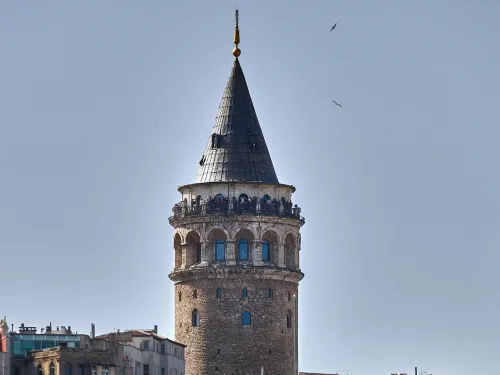
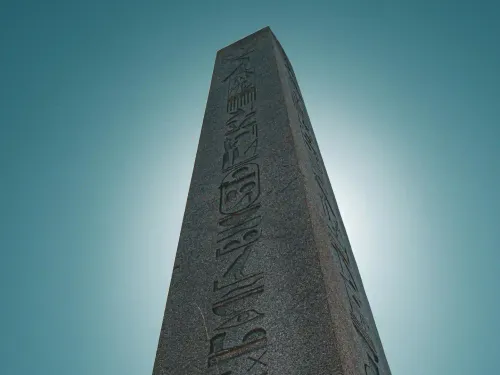
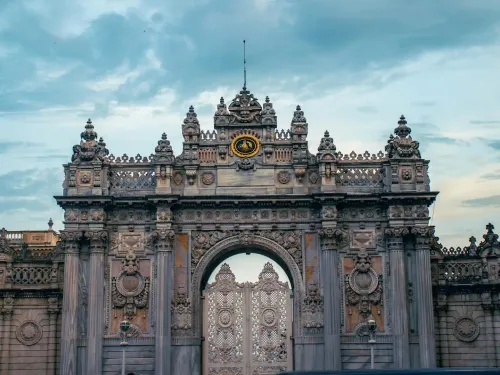
Iconic Landmarks In Istanbul
Got Questions?
We're here to help!
Frequently Asked Questions
What is Istanbul known for?
Historical sites from two great empires, the Byzantine Empire and the Ottoman Empire. A melting pot of eastern and western culture.
What's the best time of year to visit Istanbul?
Spring (April - June) and autumn (September - October) are ideal. The weather is more appropriate for those unavoidable long walks in the city.
Is Istanbul safe for tourists?
Yes, Istanbul is generally safe, especially in tourist areas. Like in any major city, watch for pickpockets and avoid isolated areas at night. Public protests should also be avoided.
What currency is used in Istanbul, and can I use credit cards?
The currency is the Turkish Lira (TRY). Credit cards are widely accepted in shops, restaurants, and hotels, but carry some cash for small vendors or local transport.
What's the best way to get around Istanbul?
Public transportation, especially the tram can be used to travel between hotel areas and major attractions in Istanbul. We mostly avoid using taxis when possible.
What should I wear in Istanbul?
Istanbul is a modern cosmopolitan city, so Western-style clothing is fine. For visits to mosques, bring a scarf (for women) and wear clothing that covers shoulders and knees.