History & Culture in Turkey
Turkey stands as one of the world's greatest open air museums, a crossroads of empires where East and West have converged for thousands of years. From the legendary battlefields of the Bronze Age to the deep spiritual traditions of the Silk Road and the grand ruins of Greco-Roman cities, our History & Culture collection brings you the monuments, myths and events that shaped human civilization.
Pamukkale
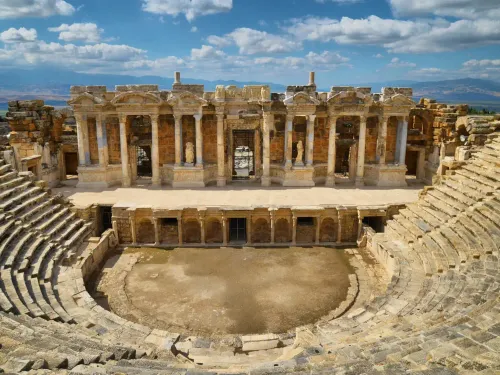
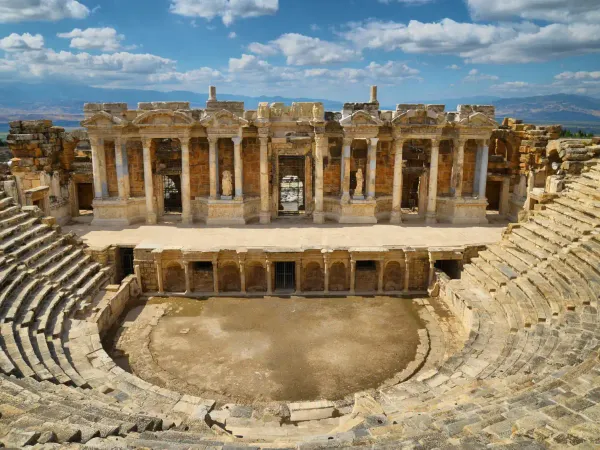
Beyond its famous white travertine terraces, Pamukkale holds the ruins of Hierapolis. This Greco-Roman spa city was founded in the 2nd century BC. Emperors and citizens alike bathed in mineral rich thermal springs here. The city also has one of the largest ancient necropolises in Turkey, a massive amphitheater and the sacred 'Plutonium' once feared as a physical gateway to the underworld.
Laodicea
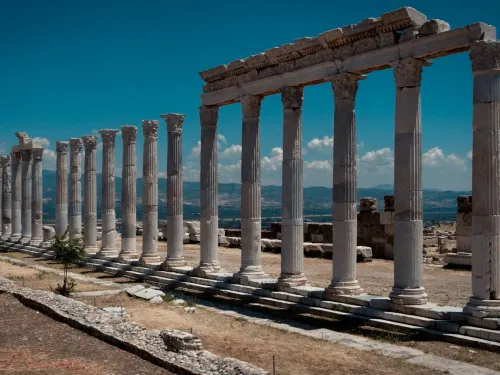
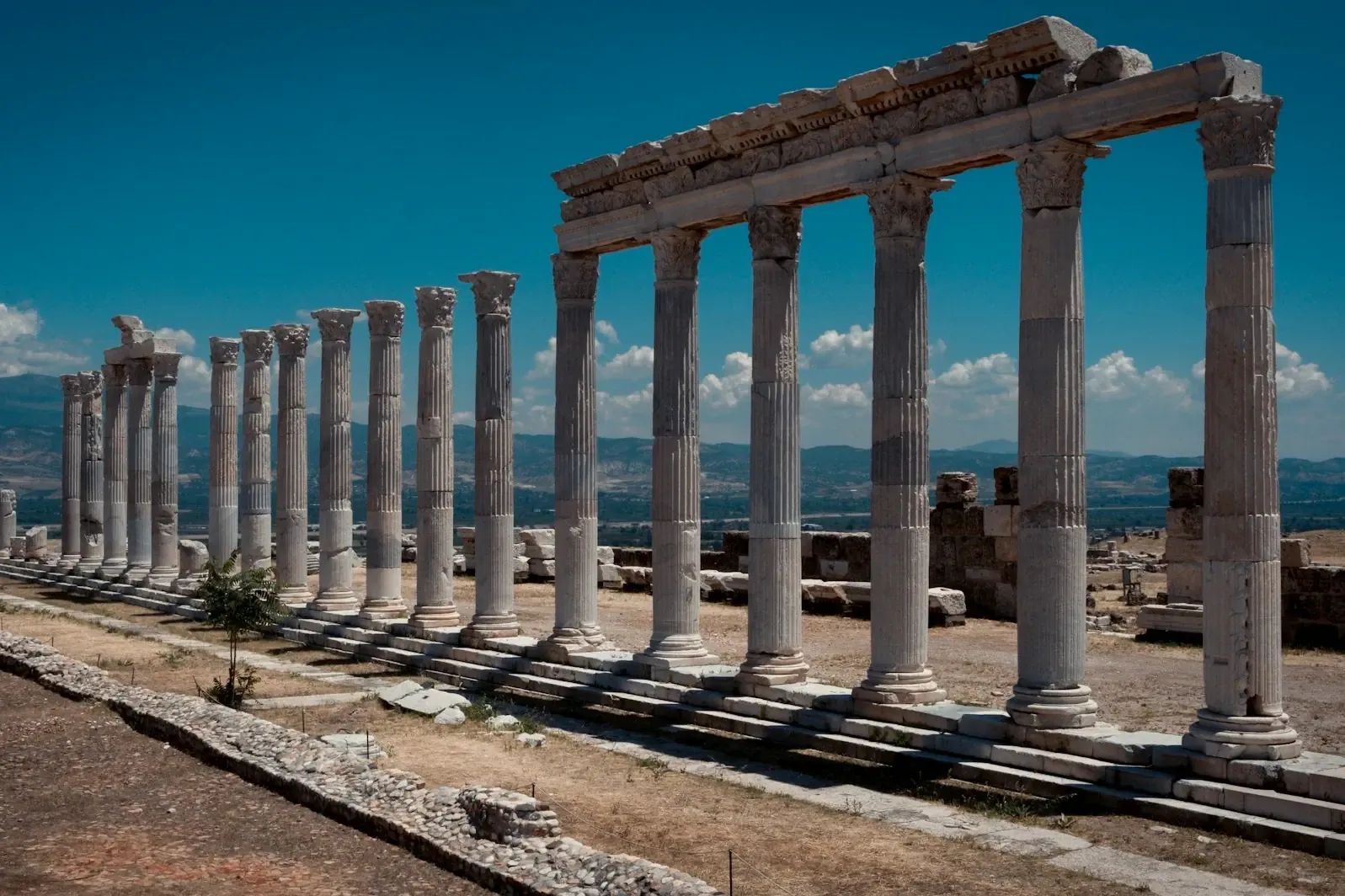
The ruins of Laodicea reveal a sprawling ancient metropolis that was once a thriving hub of Roman trade, banking and world famous black wool textiles. It is home to one of the Seven Churches of Asia mentioned in the Biblical Book of Revelation. Ongoing excavations have beautifully restored its monumental streets, theaters and massive temple complexes.
Troy
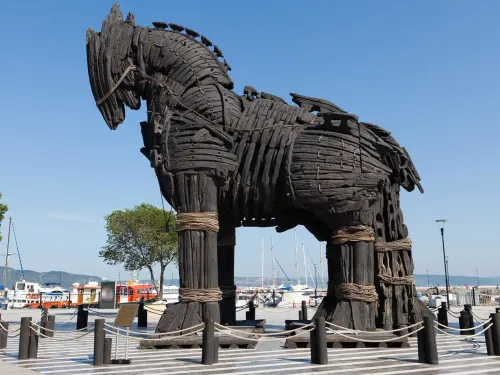
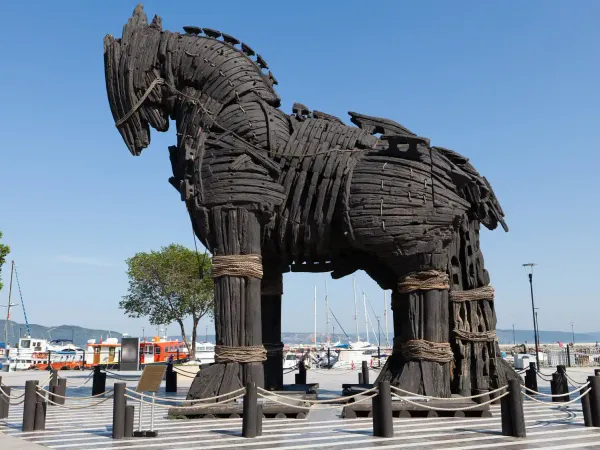
Immortalized in Homer's epic poem, the 'Iliad', the Archaeological Site of Troy bridges the gap between myth and reality. The city's history spans over three thousand years of continuous human habitation across nine distinct archaeological layers. Visitors can stand before reconstructed ancient city walls, explore the historic ramparts and walk the very grounds where Trojan and Greek heroes clashed in Bronze Age warfare.
Mevlana Museum
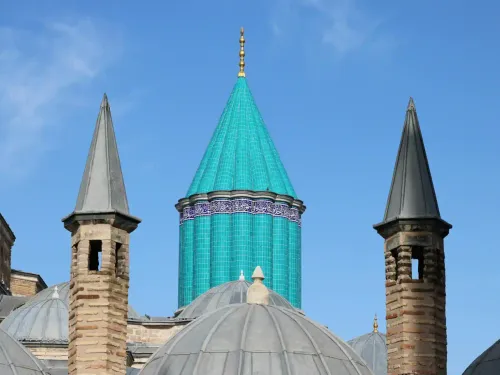
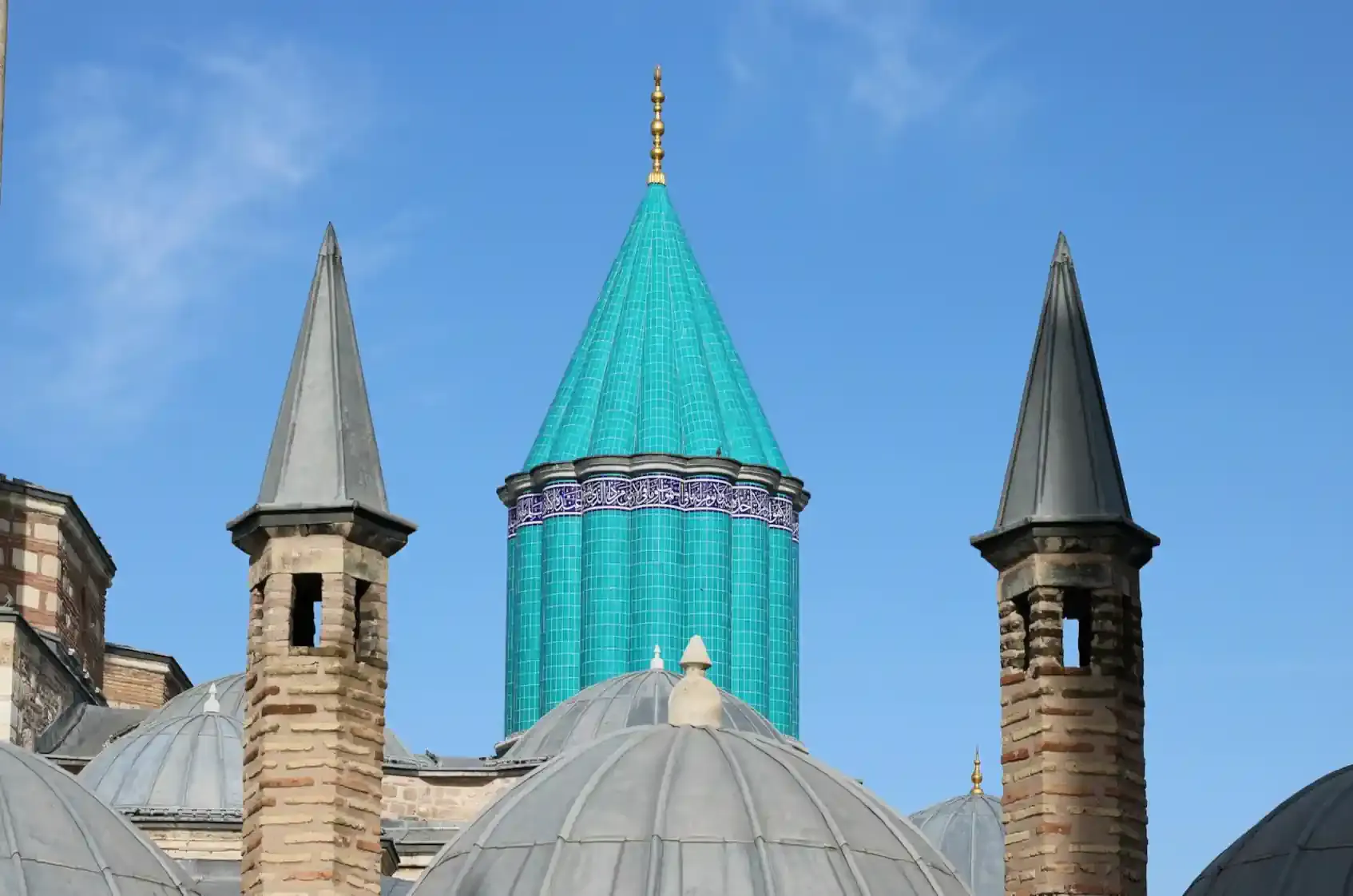
Located in the historic city of Konya, the Mevlana Museum is the spiritual heart of Sufism and the final resting place of the legendary 13th century poet and mystic, Jalal ad-Din Rumi (Celaleddin Rumi). This sacred site was once a dervish lodge (tekke) where the Whirling Dervish rituals were born. Today, it preserves invaluable manuscripts, Seljuk craftsmanship and Rumi's message of universal love.
Mount Nemrut
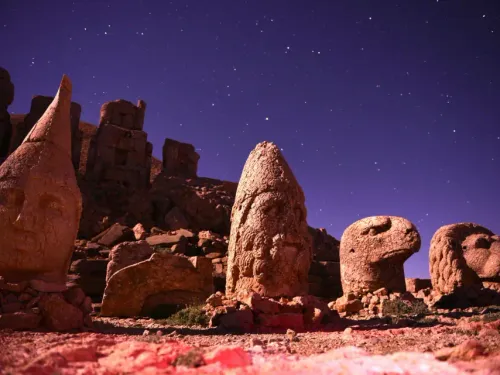
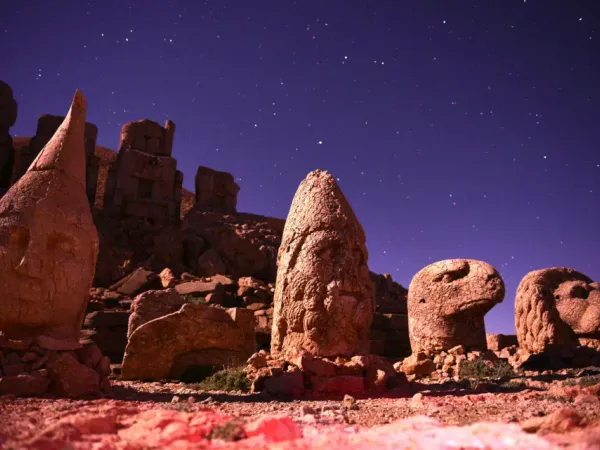
Perched 2,150 meters (7,050 feet) above sea level in the Anti Taurus Mountains, Mount Nemrut is one of the ancient world's most daring architectural triumphs. Inscribed as a UNESCO World Heritage site in 1987, this high altitude sanctuary was constructed in 62 BC by King Antiochus I Theos of the Kingdom of Commagene; a small but wealthy buffer state that flourished between the Roman and Parthian Empires. Designed as a royal tomb sanctuary to immortalize the king alongside the gods, the site centers around an artificial gravel tumulus 50 meters high, flanked by colossal stone terraces facing east and west.
Phaselis
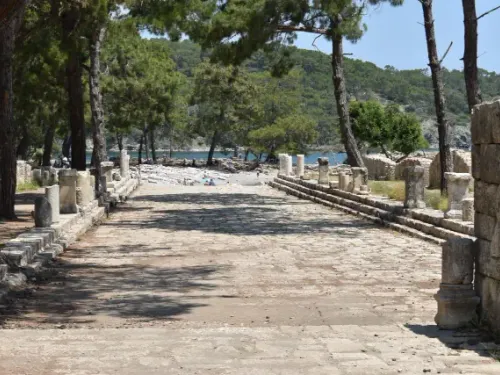
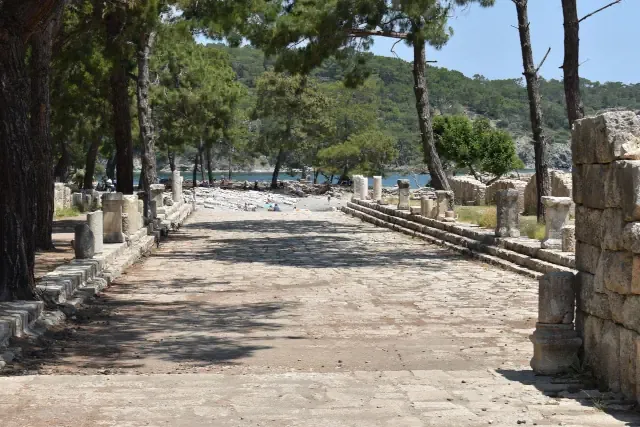
Set on a small peninsula beneath the shadow of Mount Tahtali, Phaselis is one of the most picturesque archaeological sites along the Turkish Riviera. Founded in the 7th century BC by Rhodian colonists, this maritime center thrived for over a millennium as a crucial trading hub between Greece, Phoenicia and Rome.
Termessos
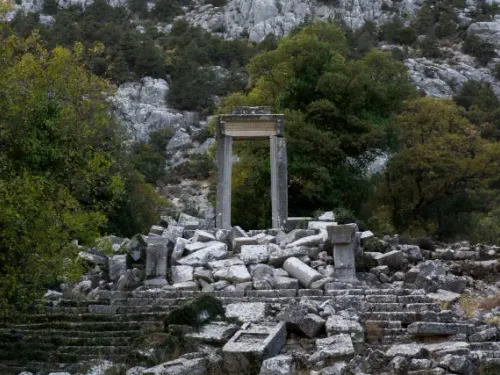
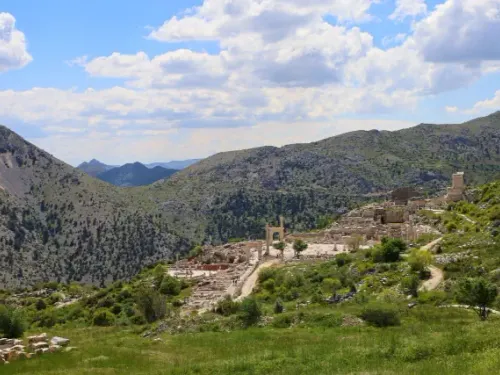
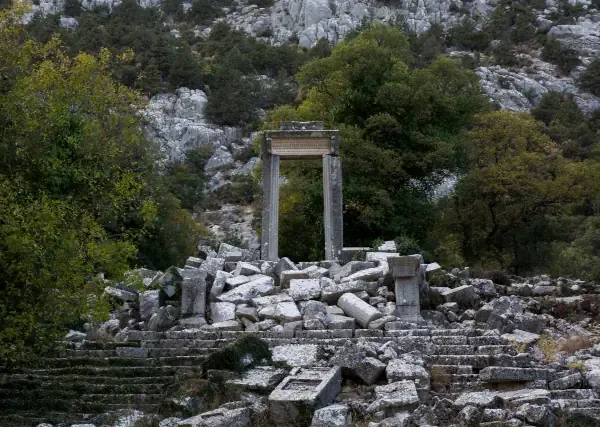
Hidden inside Gulluk National Park at an elevation of over 1,000 meters (3,300 feet), Termessos is one of Turkey's most dramatic archaeological sites. Built by the Solymians, this impregnable fortress city sat high in the mountain passes, commanding total control over the surrounding valleys.
Zeugma Mosaic Museum
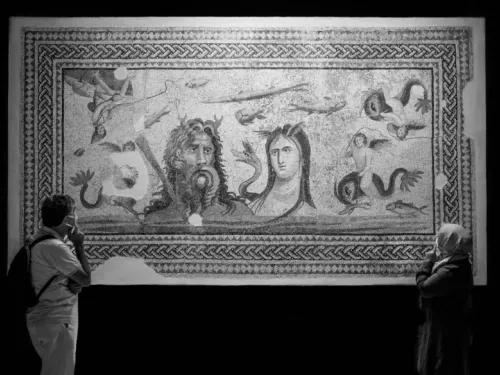
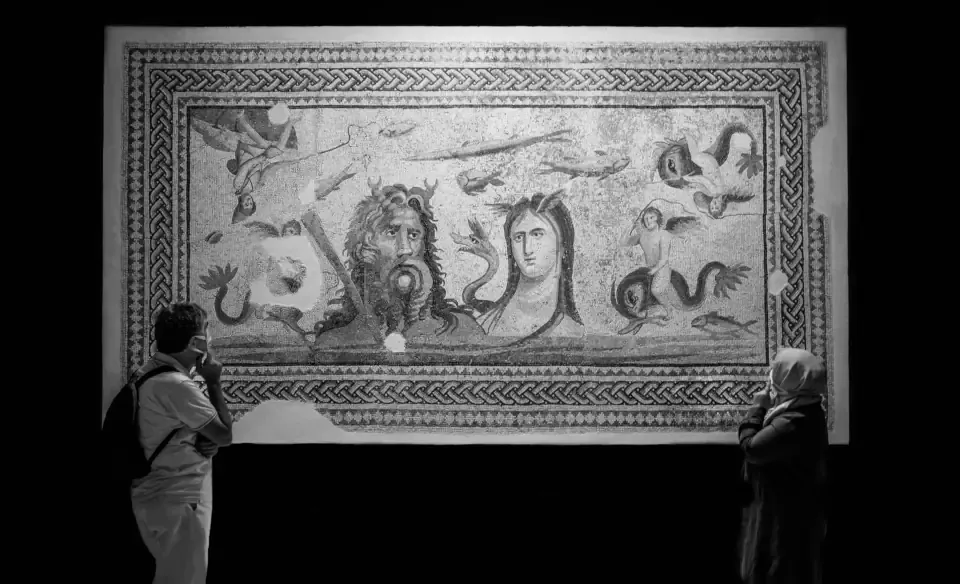
Spanning over 30,000 square meters, the Zeugma Mosaic Museum is globally celebrated as one of the premier mosaic collections in existence. Opened in 2011, the museum houses thousands of square meters of breathtaking Roman and Hellenistic floor mosaics, frescoes and stone fountains salvaged during emergency archaeological excavations before the ancient city of Zeugma was partially submerged by the Birecik Dam along the Euphrates River.
Sagalassos
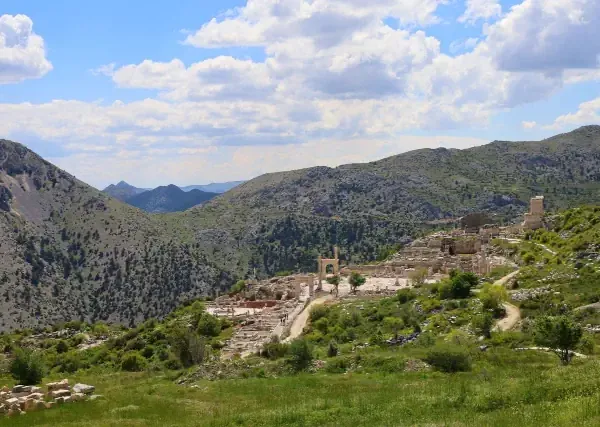
Set on the slopes of Mount Akdag at an altitude of over 1,400 meters (4,600 feet), Sagalassos is one of Anatolia's most spectacular high altitude archaeological sites. Once a key urban center of ancient Pisidia, the city flourished under Roman rule and remains remarkably well preserved thanks to its remote location.
Pergamon
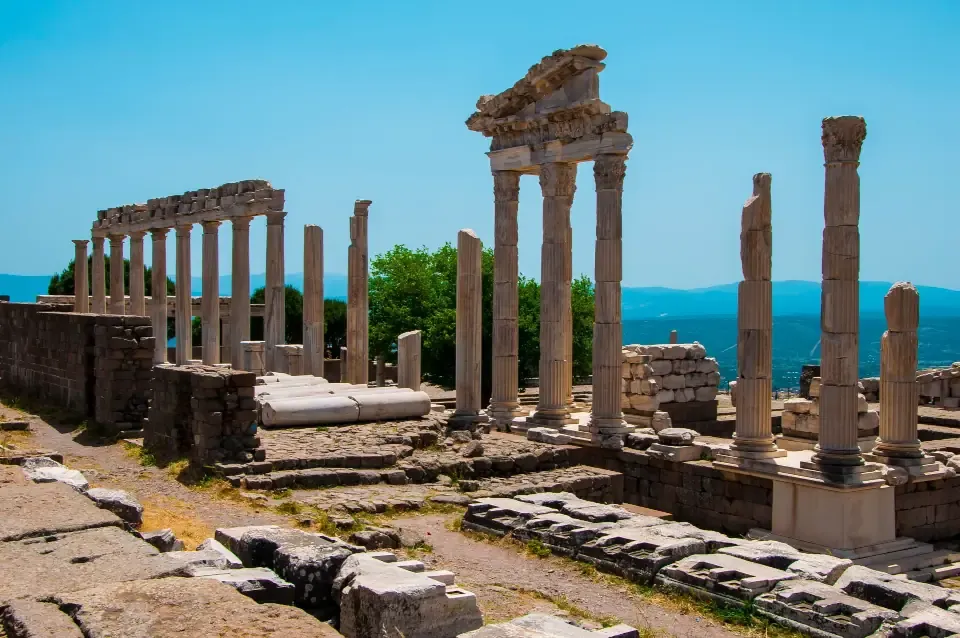
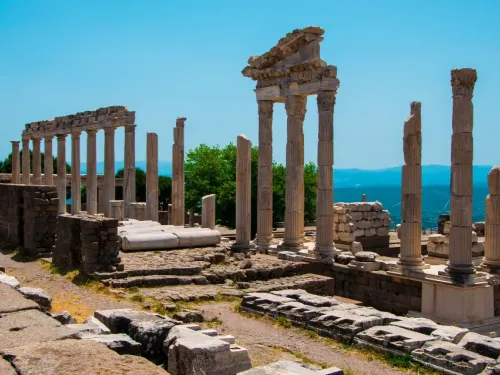
Perched high on a hill, Pergamon was once the brilliant capital of the Hellenistic Attalid Dynasty and a major cultural seat of the Roman Empire. Renowned for its rival to the Library of Alexandria and its pioneering medical school, this UNESCO World Heritage site remains one of the most dramatically situated archaeological complexes in the Mediterranean.