Religious Heritage In Turkey
Turkey stands at the heart of three great faiths. This is a land where apostles preached and empires rose in devotion to the divine. From the earliest churches to the grand mosques of the Ottoman sultans and the ancient synagogues of communities thousands of years old, our Religious Heritage collection brings you the sites, stories and traditions that shaped the spiritual landscape of civilization.
Seven Churches of Revelation
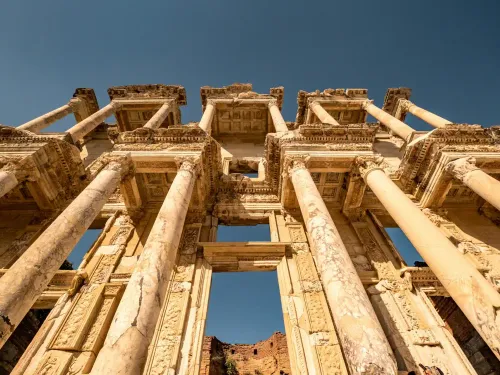
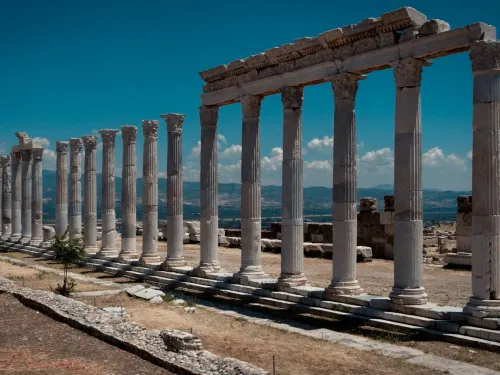
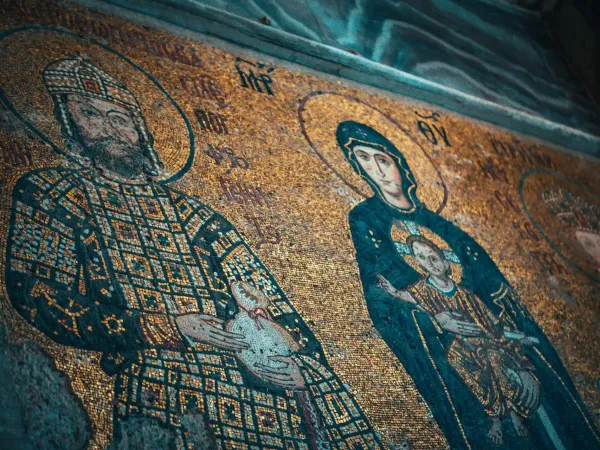
The Seven Churches of Asia Minor named in the Book of Revelation mark the earliest chapters of Christianity. These communities are scattered across the ancient cities of western Turkey. From Ephesus to Laodicea, these sites carry the letters, warnings and legacies of the apostolic age, offering a journey through the roots of the early Christian world.
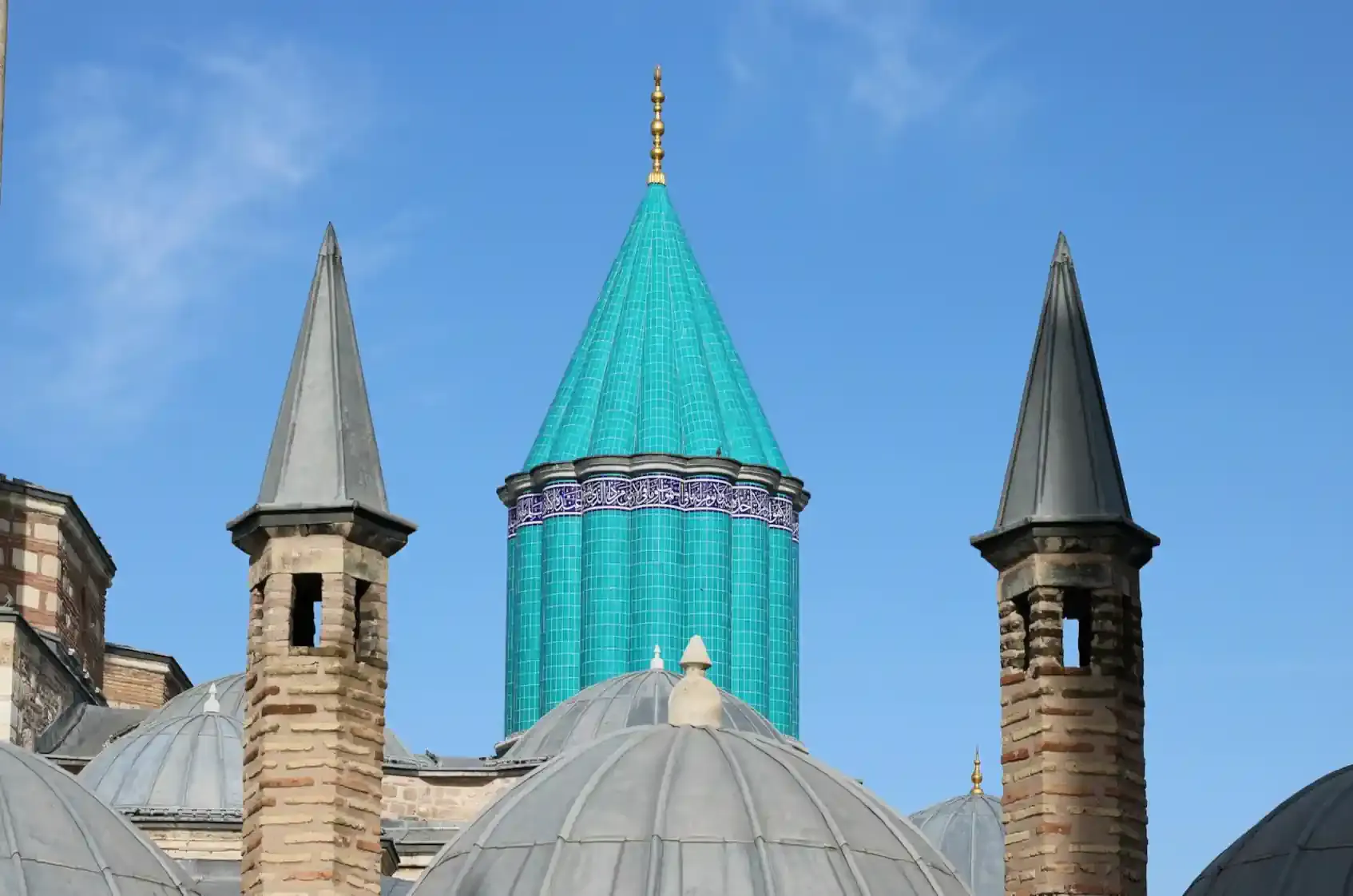
Mevlana Museum
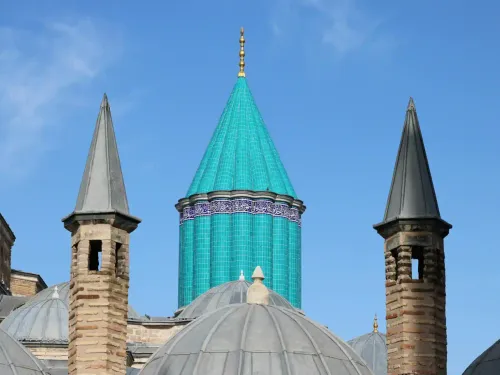
In the heart of Konya lies the Mevlana Museum, once the lodge of the Mevlevi order and the final resting place of Jalal ad-Din Muhammad Rumi (Mevlana or Celaleddin Rumi). The 13th century mystic was also a poet whose teachings on love and unity still resonate worldwide. The museum contains relics, manuscripts and the ceremonial halls of the whirling dervishes that offer visitors a window into the spiritual heritage of Sufism and one of history's most beloved voices of devotion and tolerance.
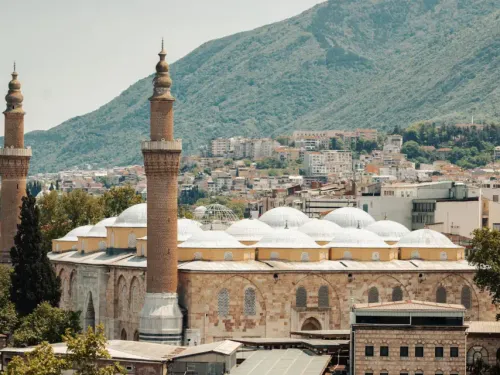
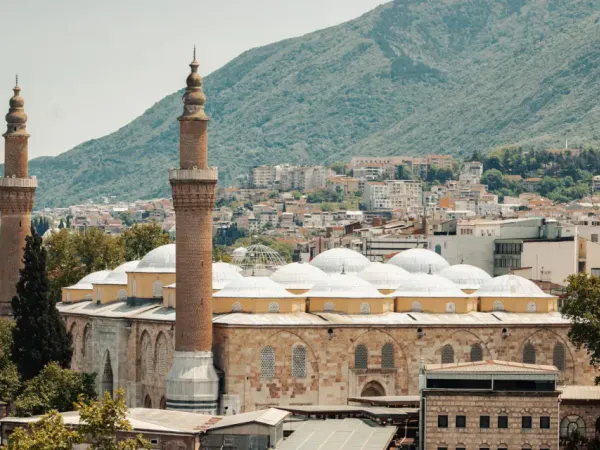
Bursa Grand Mosque (Ulu Cami)
Commissioned by the Ottoman Sultan Bayezid I and completed in 1399 following his victory at the Battle of Nicopolis, the Bursa Grand Mosque is a landmark of early Ottoman architecture. Reflecting the classical Seljuk hypostyle design before the development of single massive domes, this imposing stone sanctuary stands as a testament to the religious and artistic power of the early Ottoman Empire.
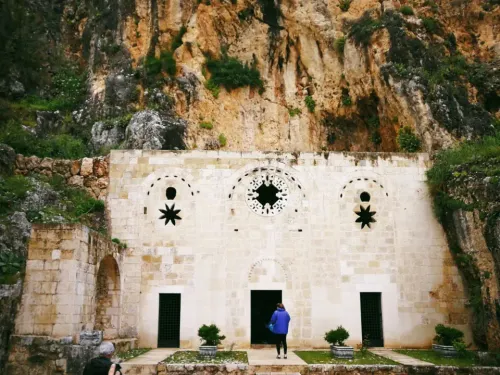
Cave Church of Saint Peter
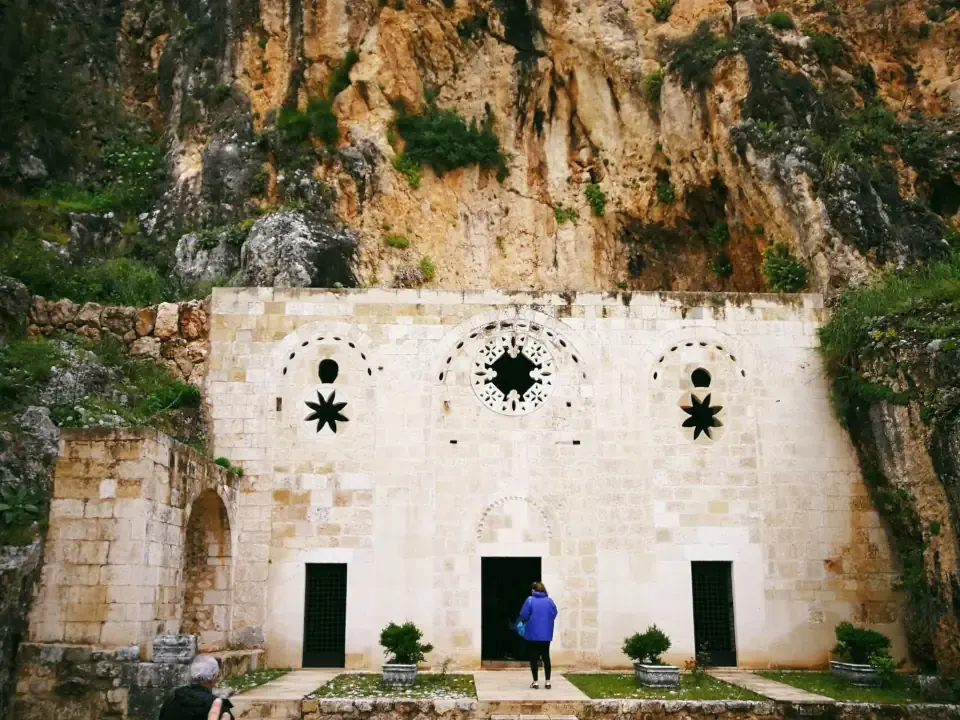
Carved directly into the limestone cliffs of Mount Staurin, the Cave Church of Saint Peter holds a monumental place in world religious history. According to Christian tradition, Saint Peter who was one of Jesus's twelve apostles, gathered early believers inside this natural grotto around 50 AD. It was here in ancient Antioch that the followers of Jesus were officially referred to as 'Christians' for the very first time in history (Acts 11:26).