First Time in Turkey:
Classic 7 Day Route
Designed specifically for first time travelers, this balanced week long itinerary connects the best imperial, geological and classical wonders of Turkey.
Week at a Glance
Suggested daily destination
Day 1-2
Istanbul
Historic Sites & Culture
Day 3-4
Cappadocia
Cave Houses & Landscape
Day 5
Ephesus & Aegean
Ancient Ruins & Coastal
Day 6
Pamukkale
Thermal Pools & Ruins
Day 7
Return to Istanbul
Markets & Farewell
Detailed Itinerary Stops
Historical context and logistics for each primary highlight along the route.
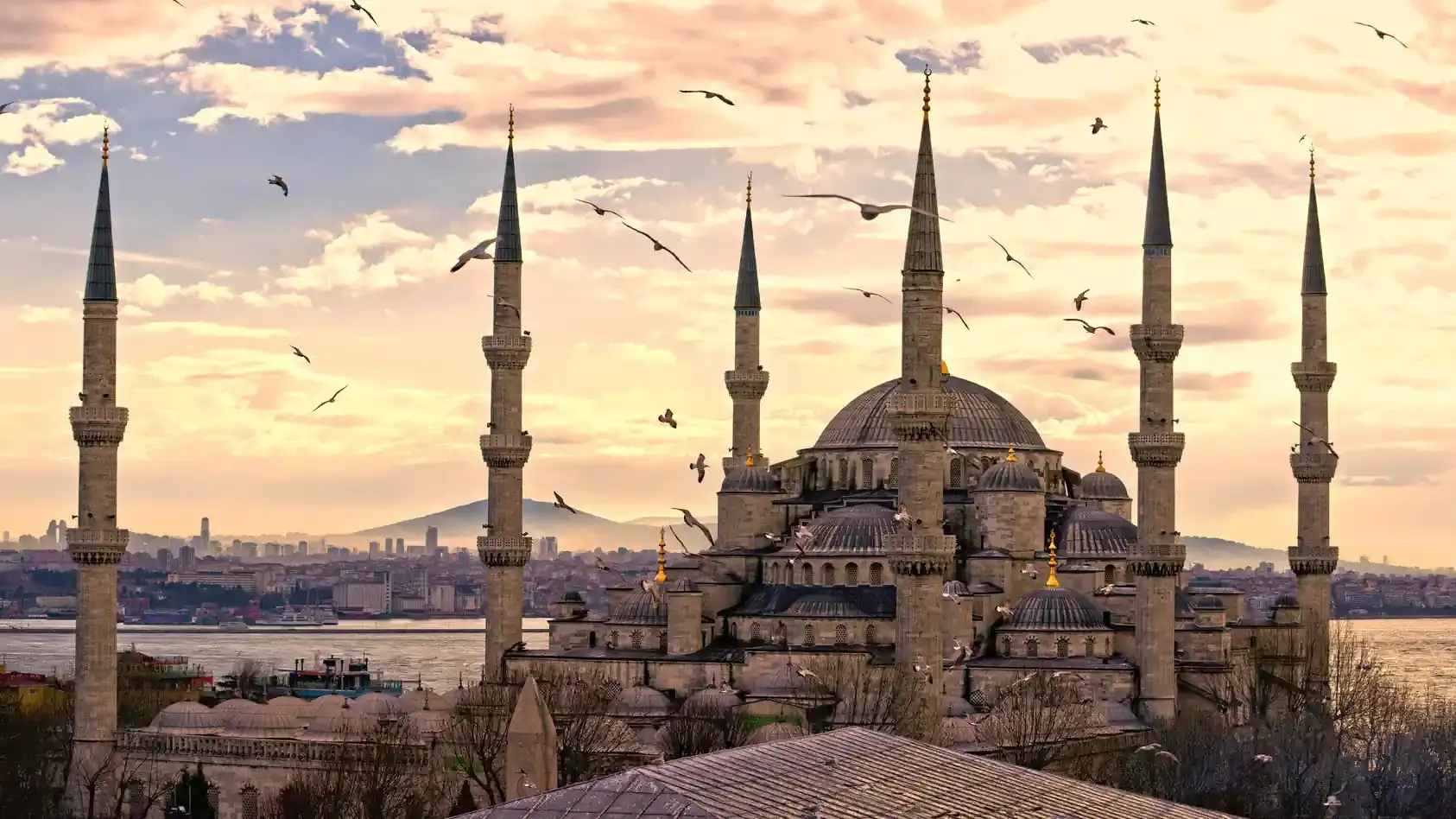
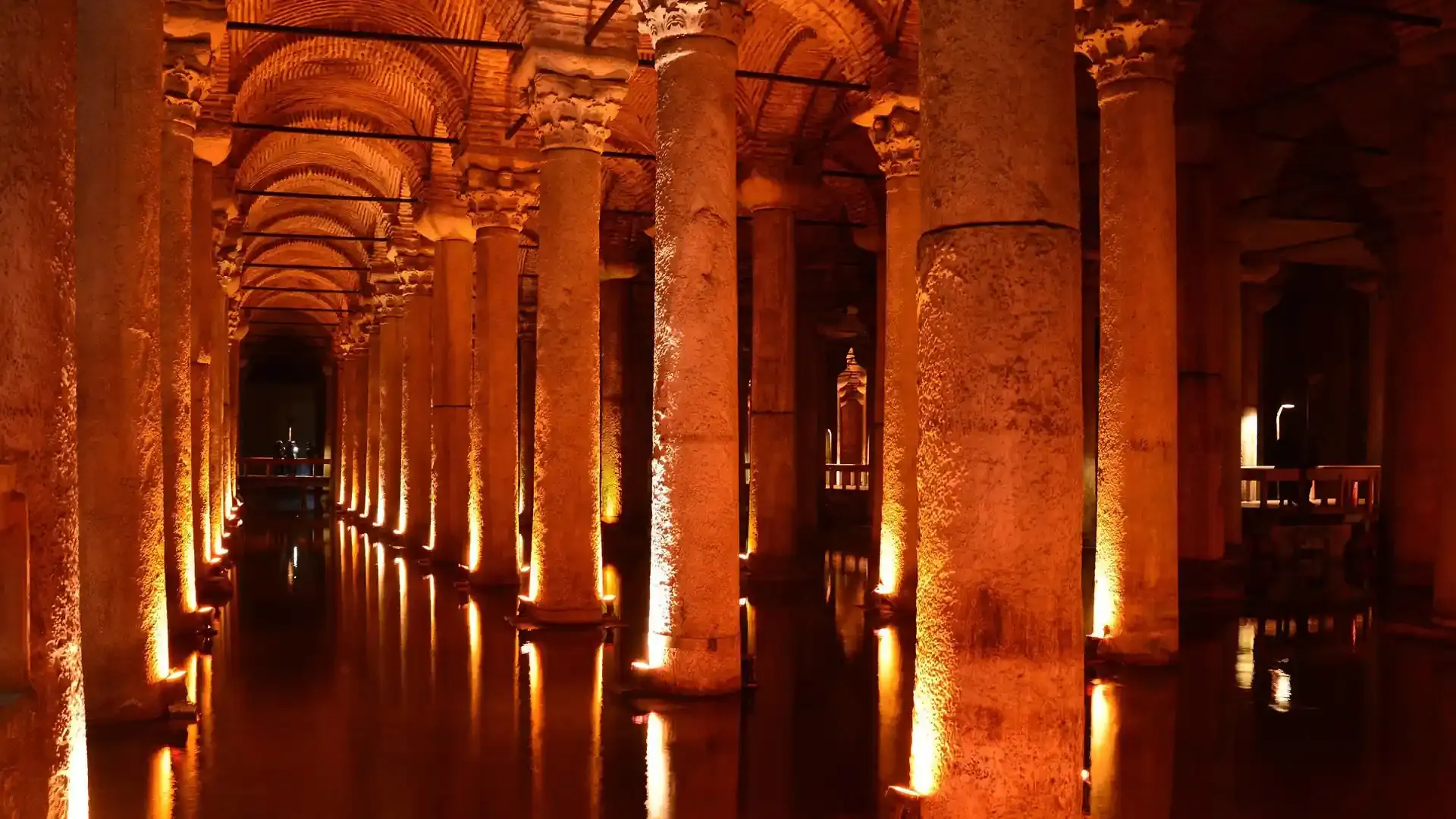
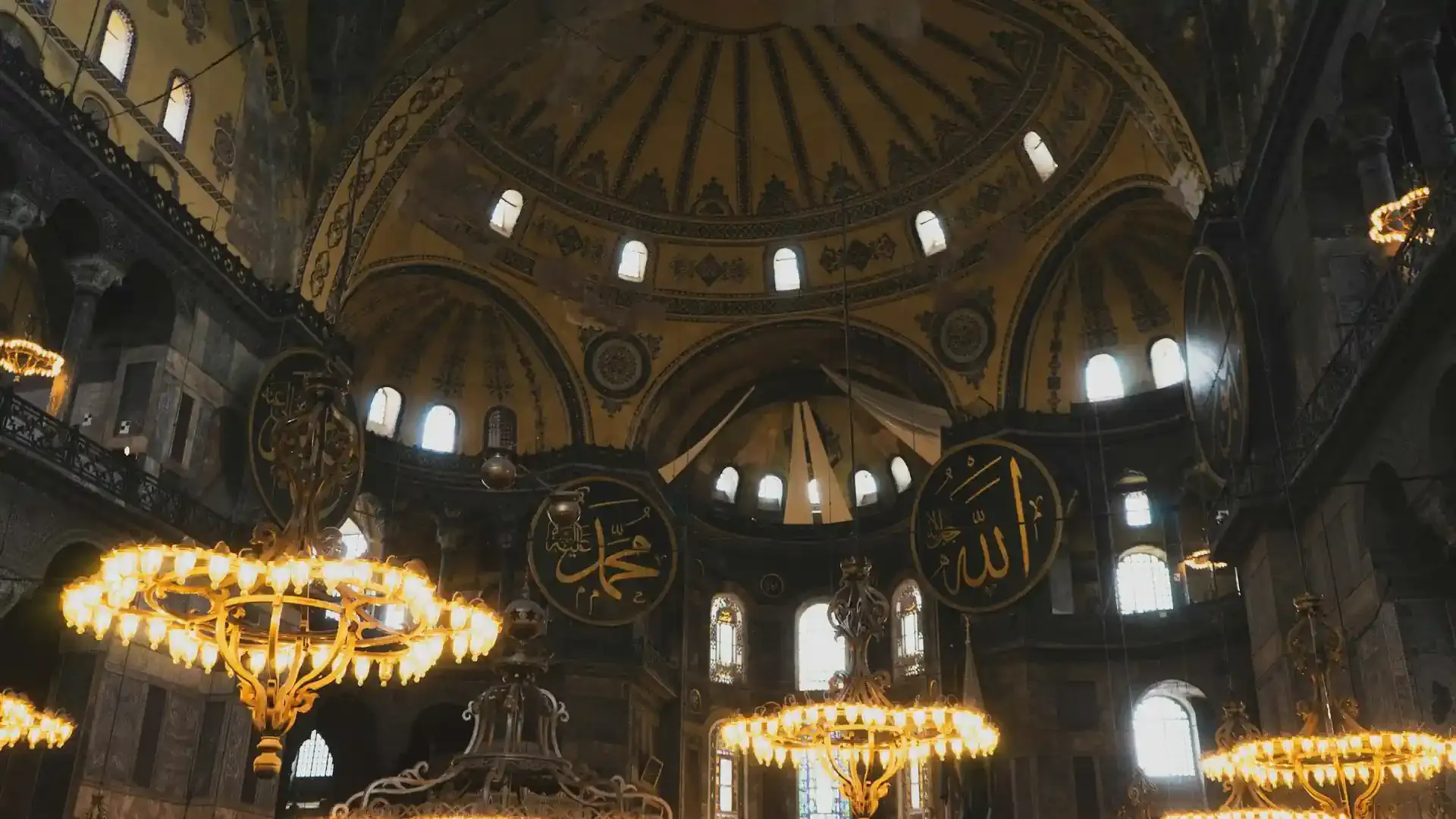
Istanbul - Where Civilizations Overlap
Istanbul is the natural starting point for any first journey through Turkey. Historically known as Byzantium and Constantinople, the city has served as the capital of three empires and remains the cultural and economic center of Turkey today. Istanbul is more than a collection of monuments. It's a living city where mosques, churches, synagogues, markets and neighborhoods reflect centuries of coexistence.
For first time visitors, Istanbul offers essential context. Sites like Hagia Sophia, the Blue Mosque, Topkapi Palace and the Hippodrome introduce the city's imperial past while neighborhoods beyond the Old City reveal how modern life continues around them. Two days allow enough time to understand the city's rhythm without turning the visit into a checklist.
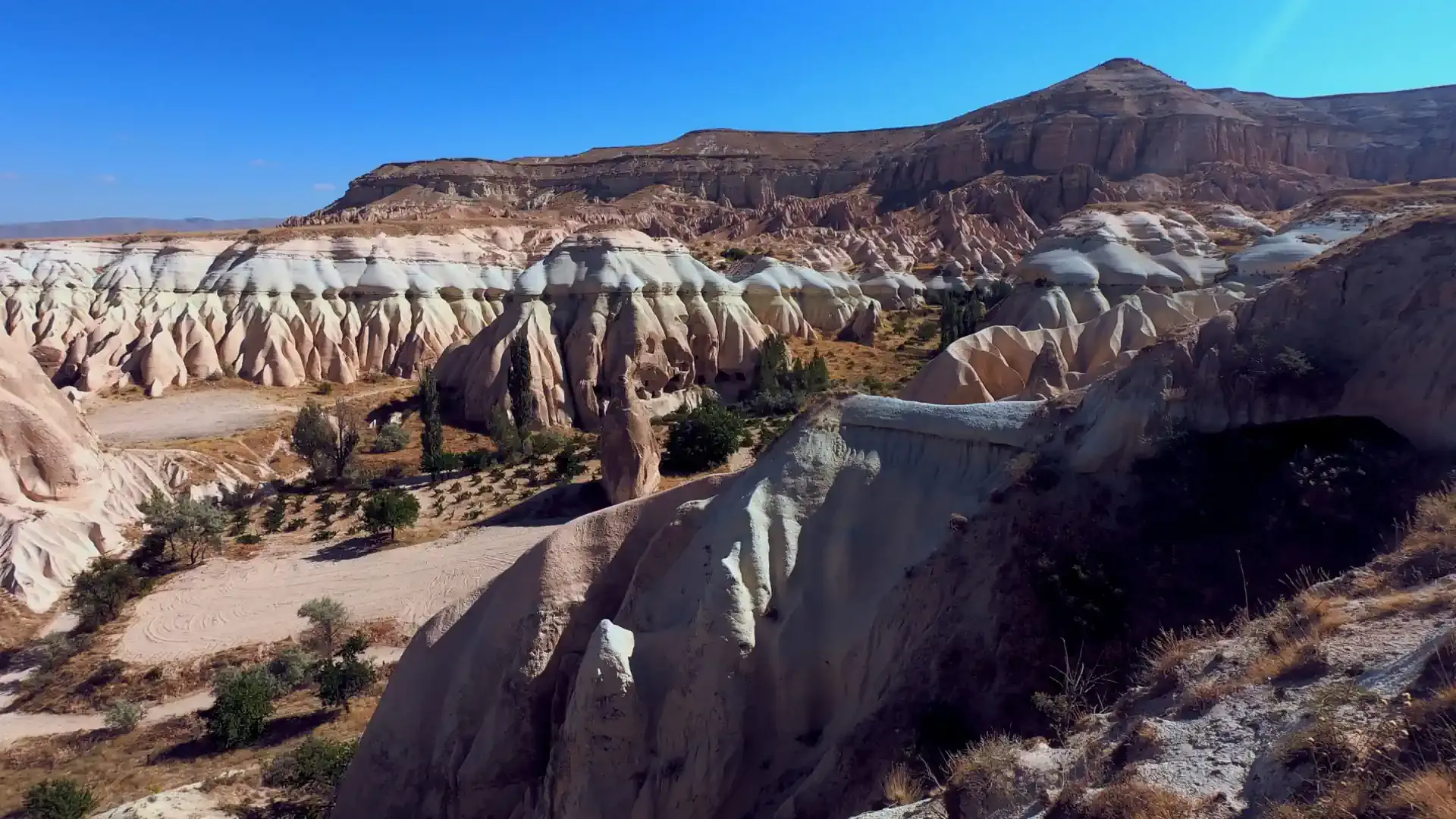
Cappadocia - Landscapes Shaped by Nature and Belief
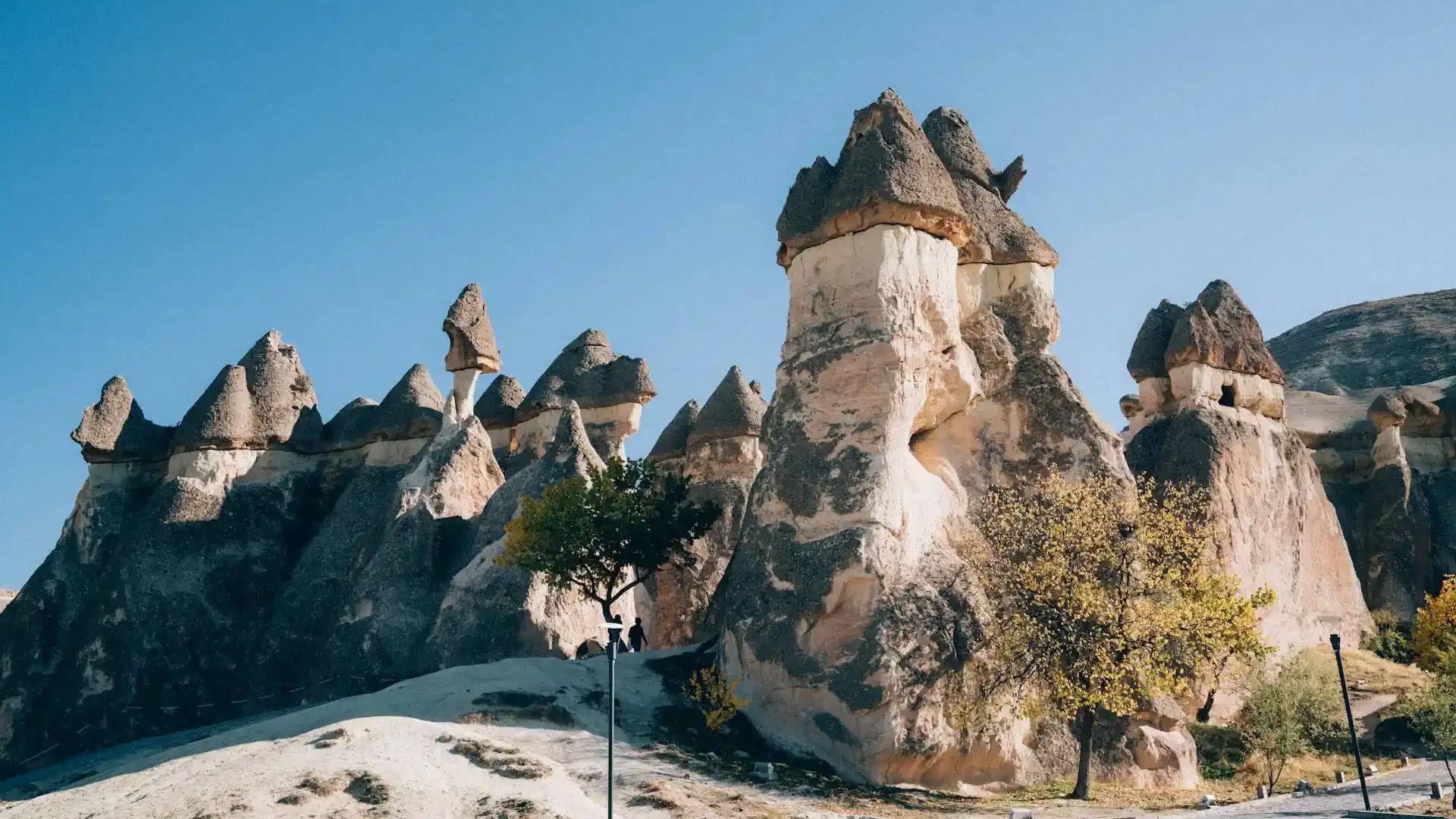
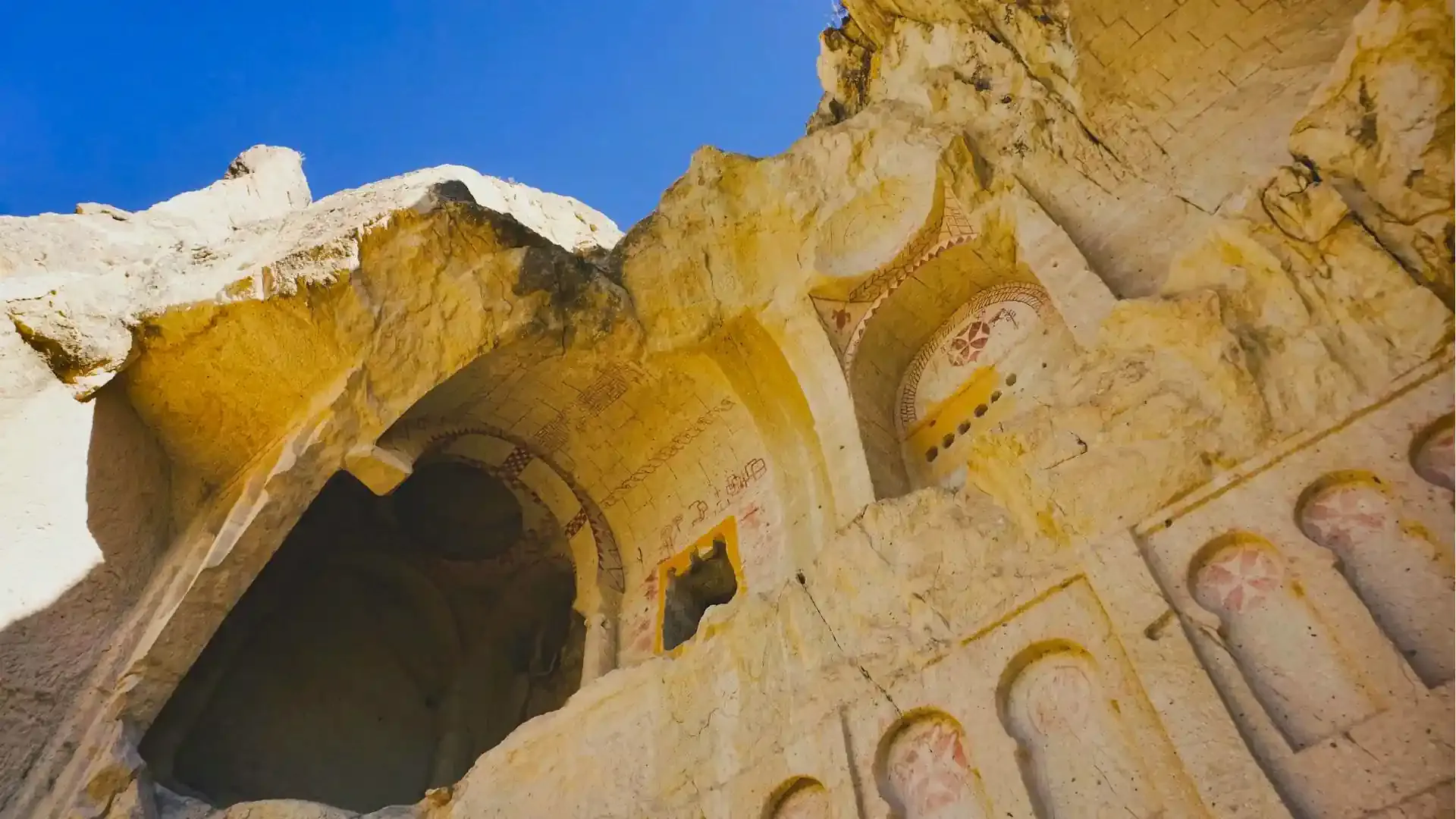
Cappadocia feels unlike anywhere else in Turkey. Formed by volcanic activity and shaped by erosion, its valleys, fairy chimneys and cave dwellings create a landscape that feels almost unreal. But beyond the scenery lies a deeply human story. Early Christian communities carved churches, homes and underground cities into the soft rock for refuge and worship.
Two days here allow visitors to experience both sides of Cappadocia; its natural beauty and cultural depth. Valley walks, open air museums, underground cities and early morning balloon flights offer different perspectives of this otherworldly terrain. It's a place where geography explains history and history explains settlement.
Ephesus - The Classical World Preserved
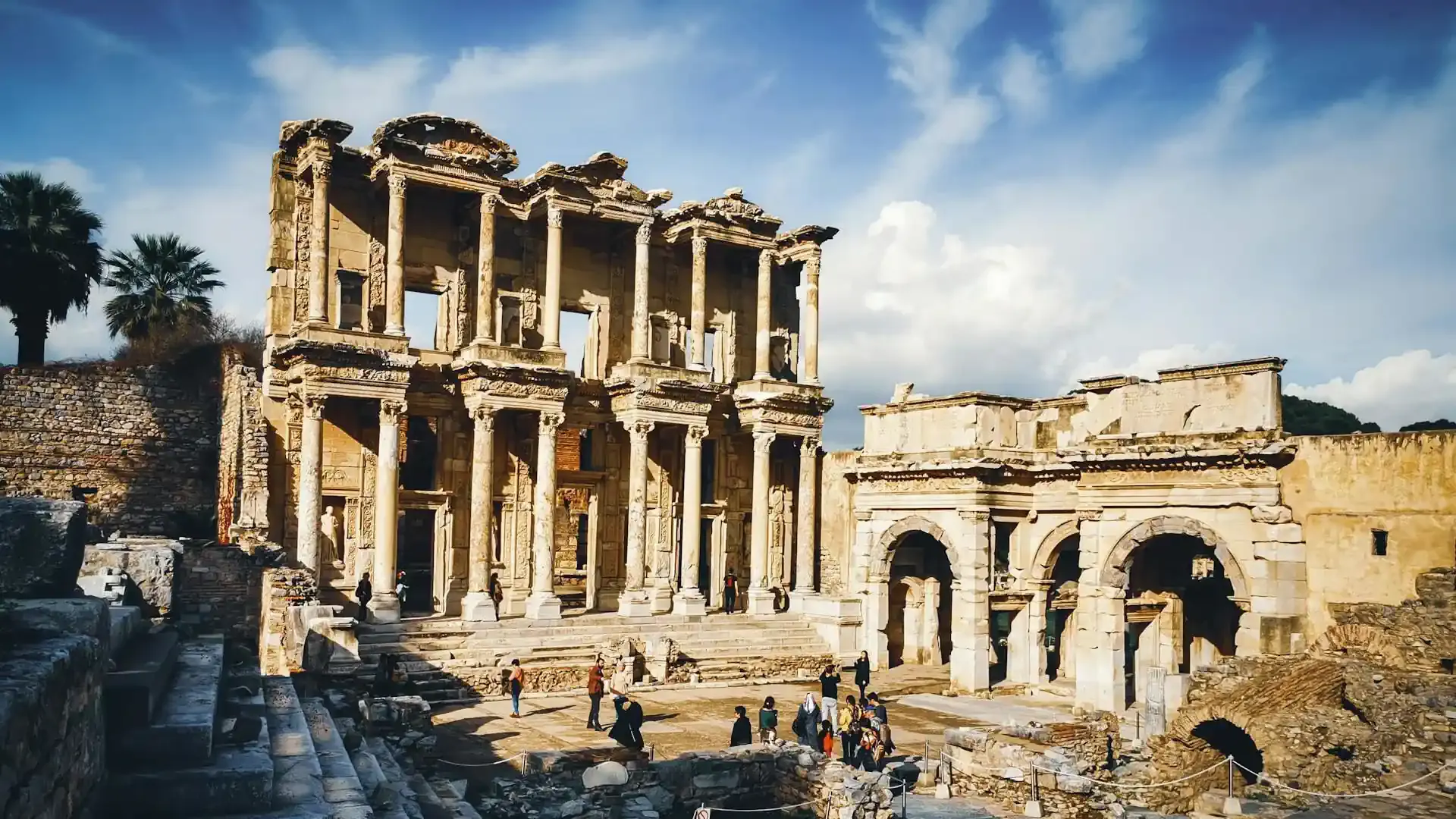
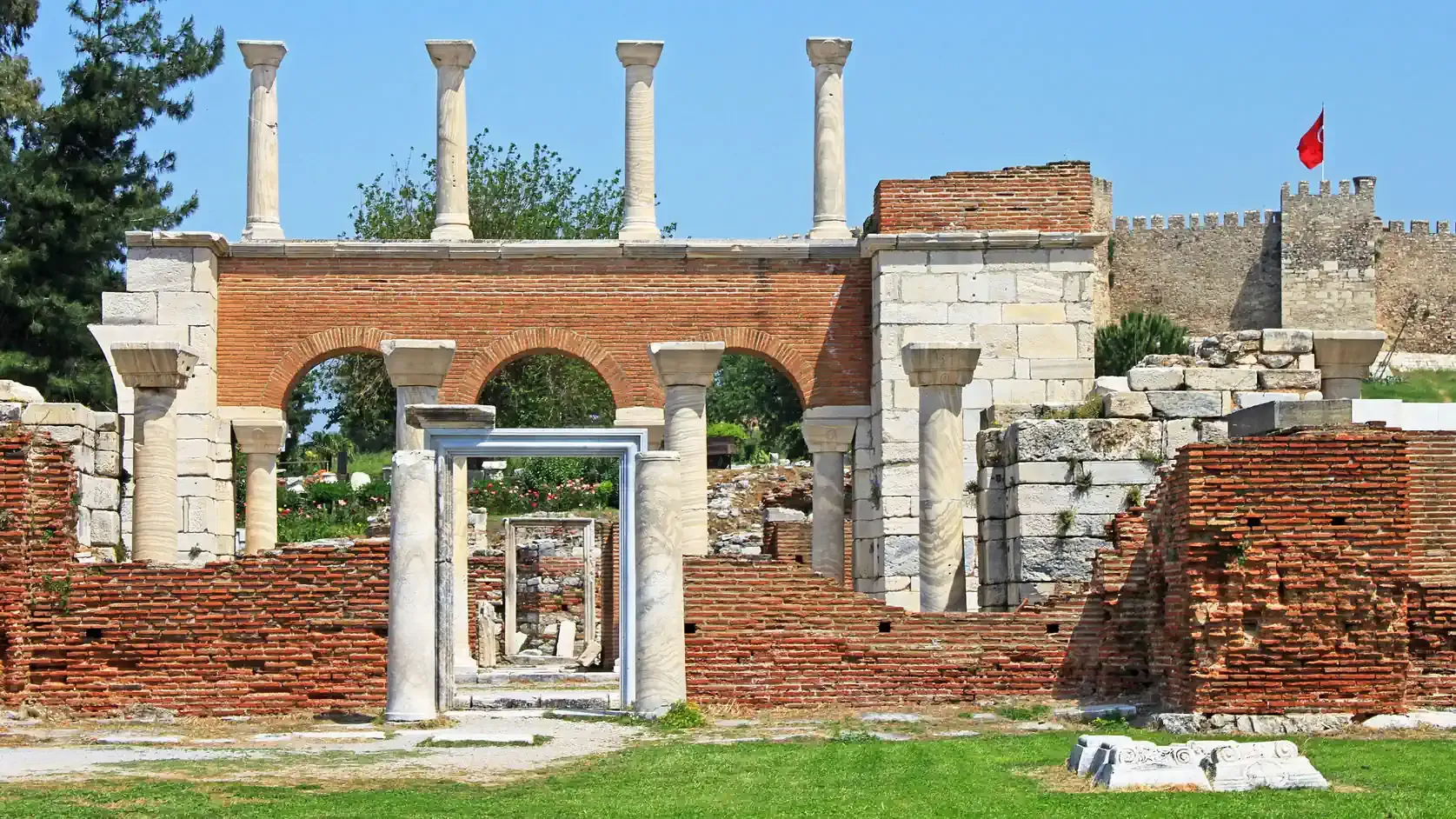
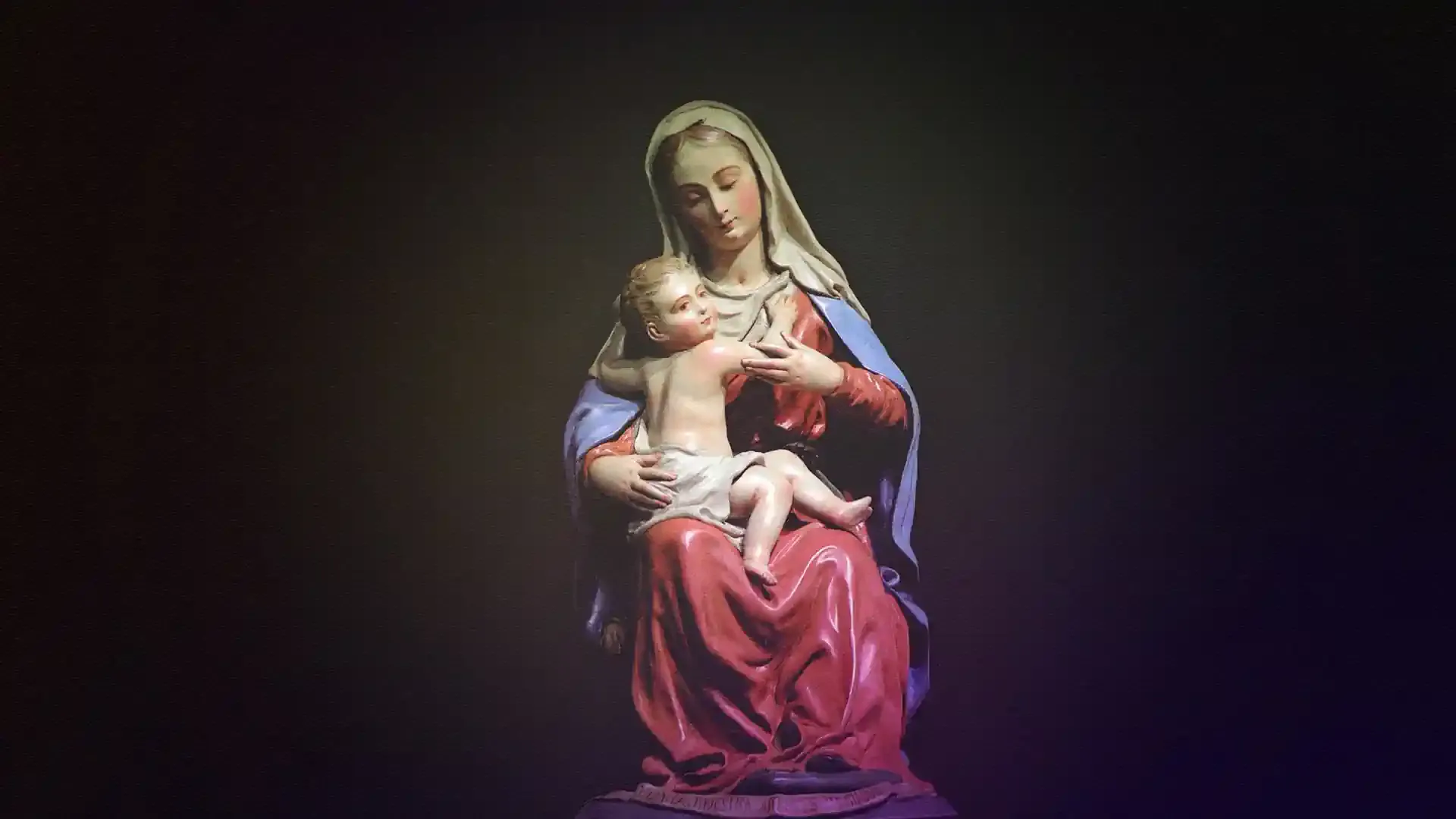
Ephesus represents Turkey's connection to the ancient Mediterranean world. Ephesus was one of the largest cities of the Roman Empire and it remains one of the best preserved classical cities anywhere. Marble streets, monumental libraries, theaters and temples reveal how urban life functioned nearly two thousand years ago.
Ephesus holds archaeological and religious significance as the Roman capital to Asian proviences and a center of early Christianity. The site of the House of the Virgin Mary is also found nearby. A single day here is enough to walk the main avenues, understand its importance and appreciate how trade, religion and politics intersected along the Aegean coast.
Pamukkale - An Ancient Spa for Romans
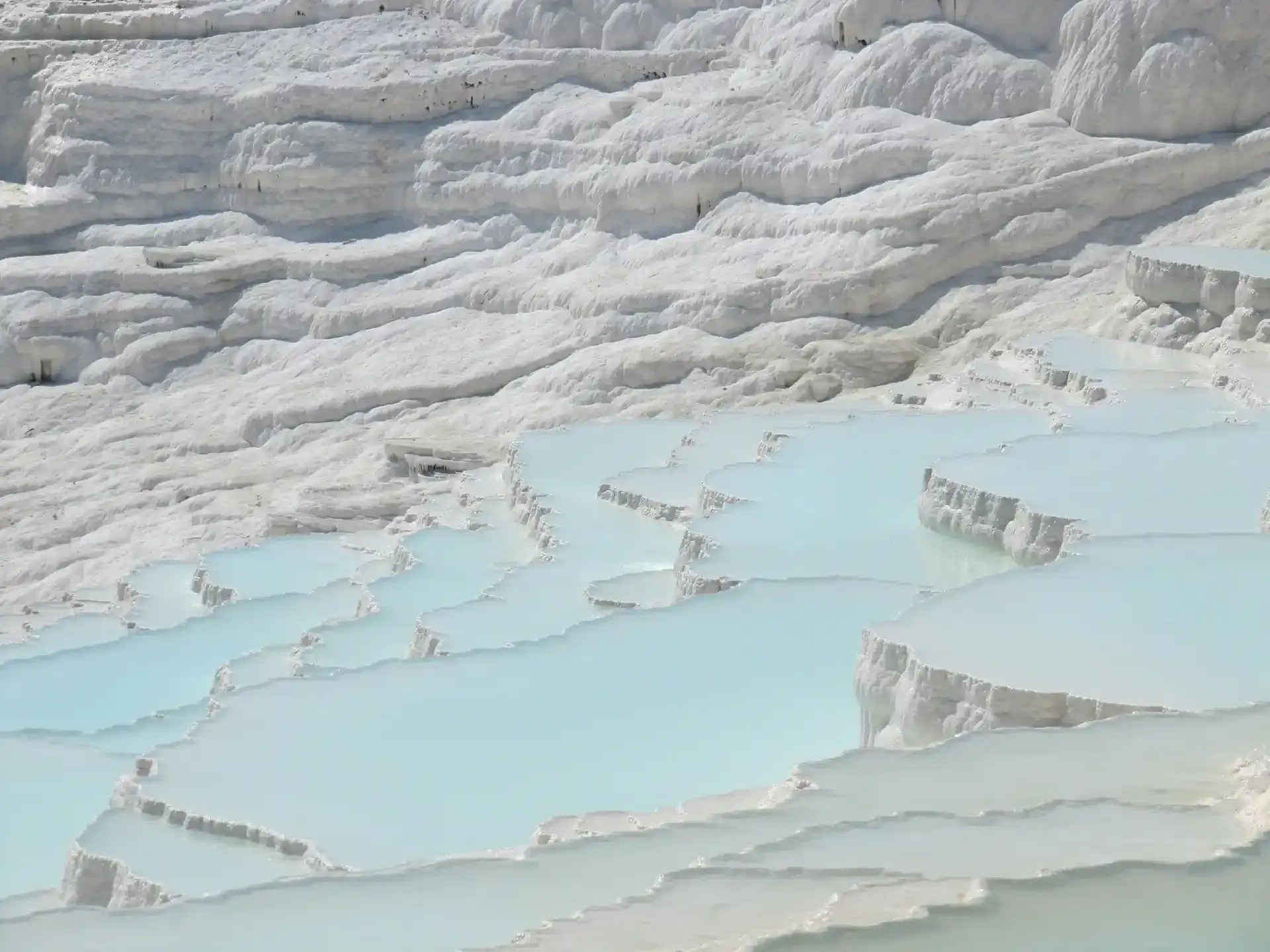
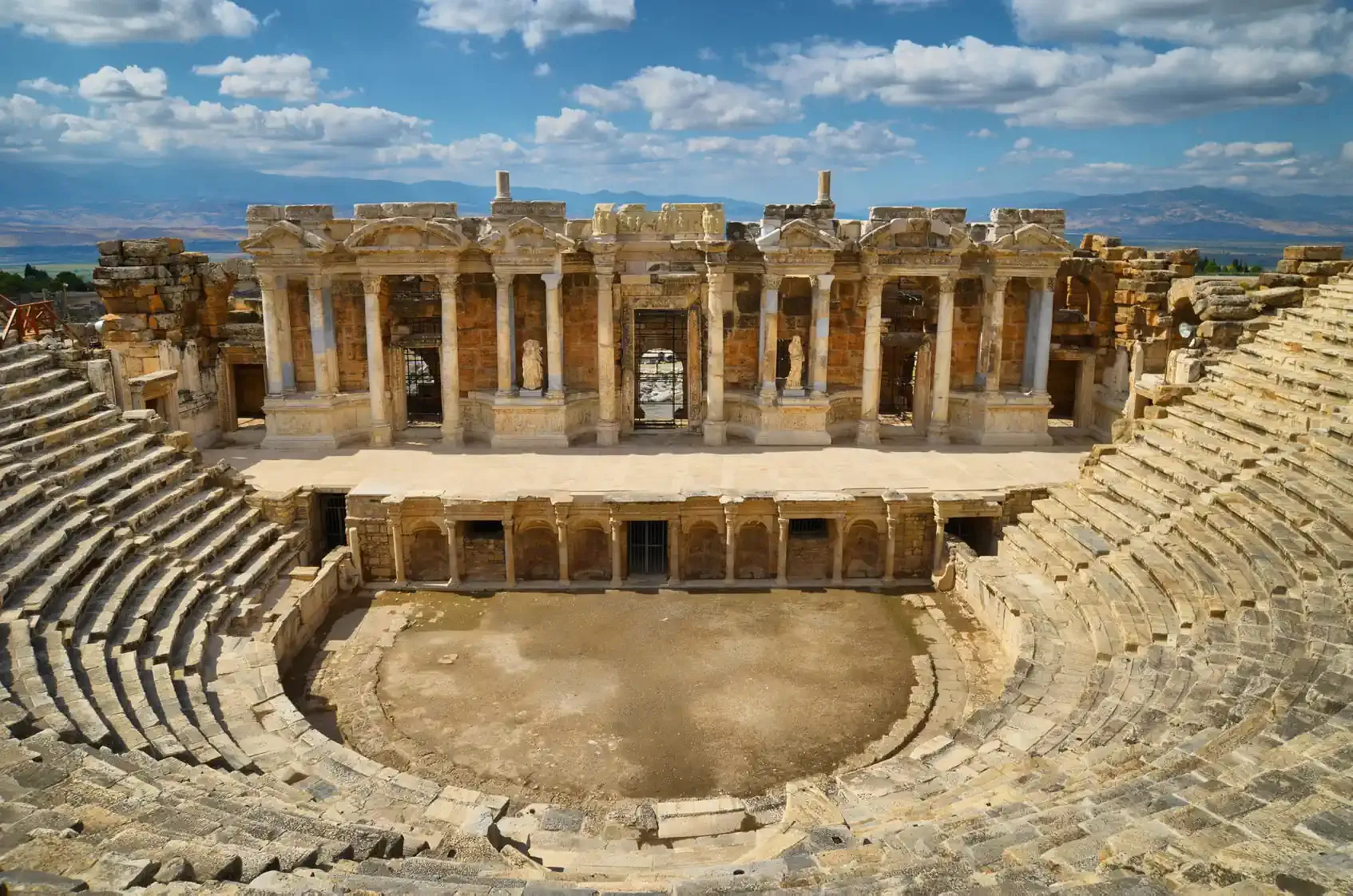
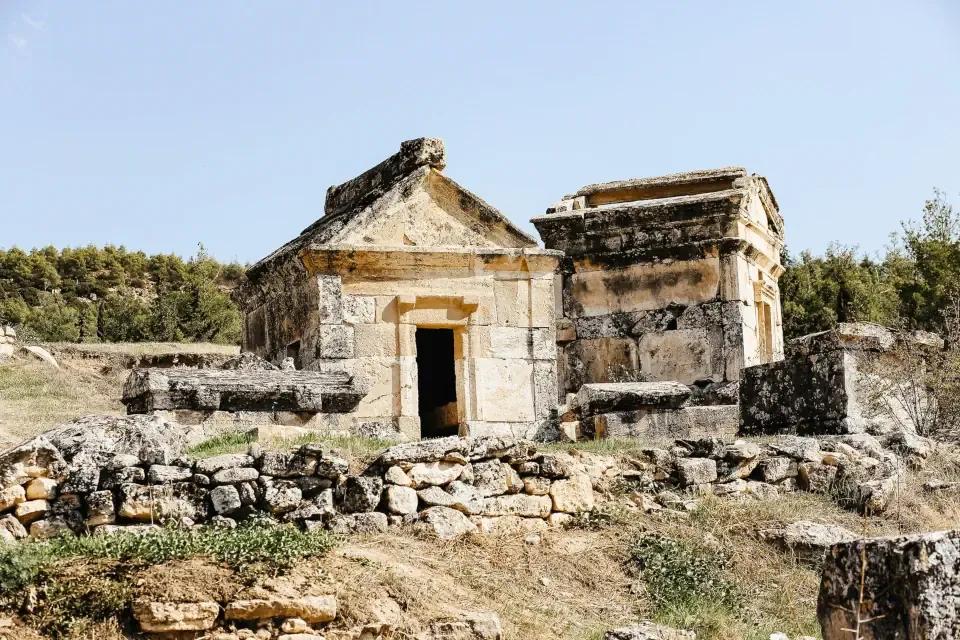
Thermal waters rich in minerals cascade down white travertine terraces and formed pools that have attracted visitors since antiquity. Above them lies Hierapolis, a Greco Roman spa city built around the healing properties of the springs. This ancient city is famous with its well preserved theater, vast ancient burial sites and the Martyrium of Saint Philip the Apostle.
A visit combines walking barefoot on the travertines with exploring ancient ruins, theaters and one of the largest necropolises in Turkey. Pamukkale works especially well at this stage of the journey as a slower, restorative and reflective day after visiting various cities and ruins.