The Hippodrome: Ancient Chariot Racing Arena of Istanbul
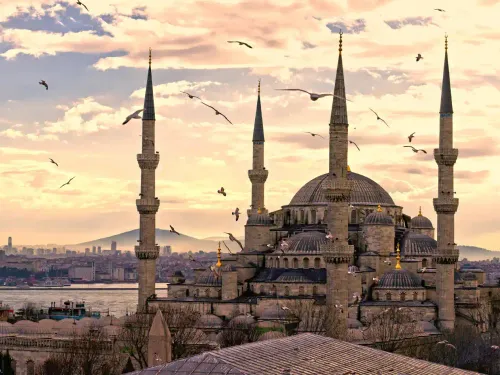
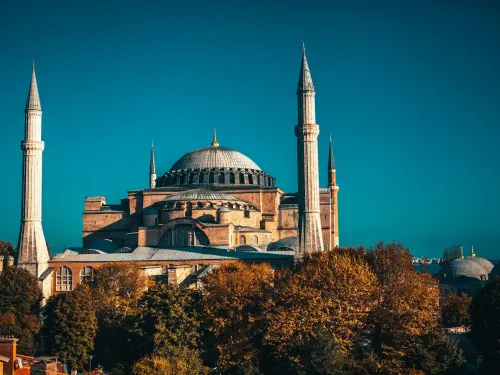
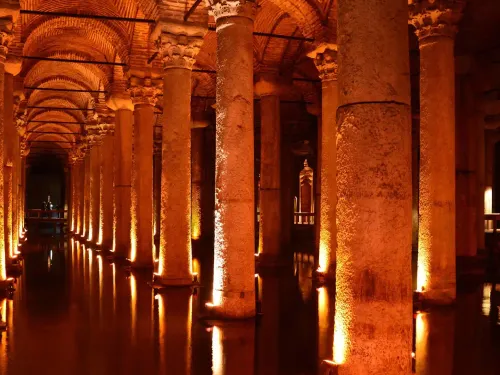
Once the sporting, social and cultural heart of the Byzantine Empire, the Hippodrome of Istanbul (now Sultanahmet Square) is an essential historic site. Today, it serves as an open air meeting point connecting Istanbul’s most iconic landmarks, including the Hagia Sophia, the Blue Mosque and the Basilica Cistern.
History of the Hippodrome
This area used to be a stadium that seated about 100,000 spectators. It was commissioned by Roman Emperor Septimius Severus in the 3rd century AD and expanded by Constantine the Great. The arena was connected to the Great Palace via the imperial box, so the emperor and his family could enter the stadium without ever leaving the safety of their palace. It was the center of political uprisings, most famously the Nika Riots of 532 AD. A revolt that started due to the rivalry of two chariot racing factions escalated into a massive rebellion against Emperor Justinian I. Hagia Sophia was badly damaged during this revolt and many thousands had died.
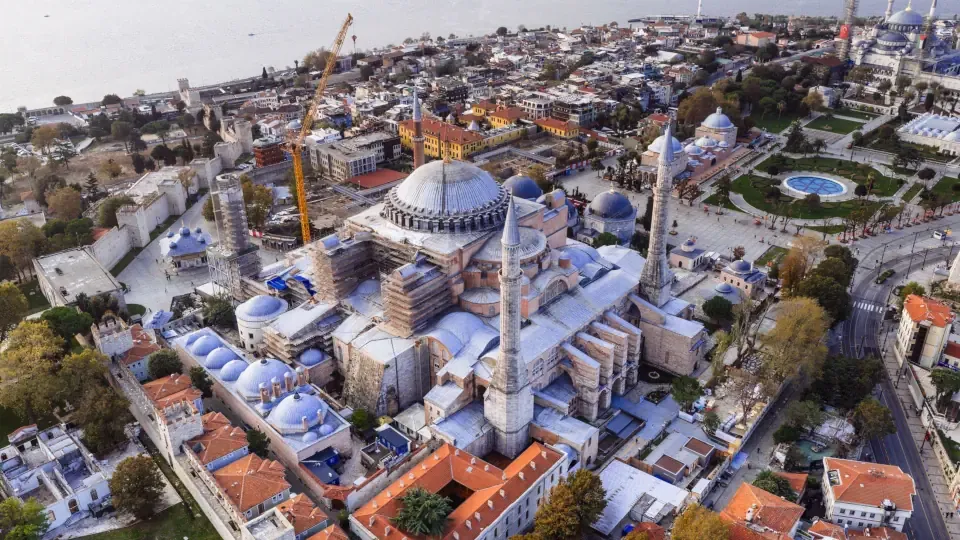
Originally expanded in the 4th century, the arena hosted massive chariot races and imperial processions.
Landmarks and Monuments at the Hippodrome
While the grand stadium is long gone, the area preserves its distinct rectangular racing track layout. This promenade houses several ancient monuments that you should not miss:
1. Serpent Column
This bronze column was cast to commemorate the Greek victory over the Persians at the Battle of Plataea (479 BC). It was brought from the Temple of Apollo at Delphi by Constantine in the 4th century. Its three serpent heads were stolen over the centuries but its spiral base still stands.
2. Egyptian Obelisk
Also known as the Obelisk of Theodosius, this monument was originally erected in Egypt by Pharaoh Thutmose III around 1450 BC. It was transported to Constantinople by Emperor Theodosius I in the late 4th century. The obelisk sits on a marble base decorated with Roman reliefs depicting imperial court life.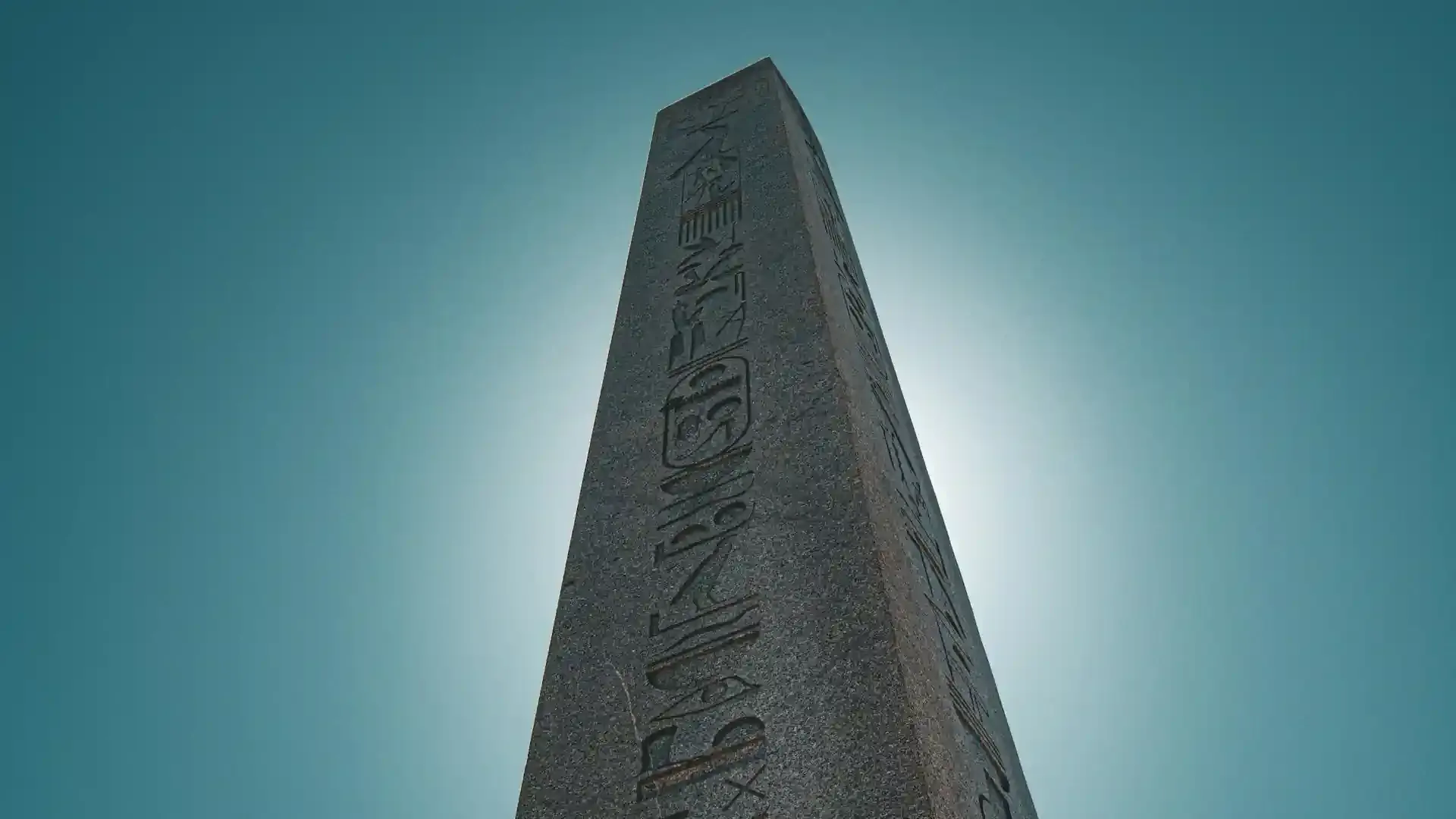
Carved in Egypt around 1450 BC, this monumental obelisk remains incredibly well preserved.
3. Walled Obelisk
This stone pillar is believed to have been restored in the 10th century by Constantine VII. It was originally covered in gilded bronze plates, which were unfortunately stripped and melted down during historical sackings of the city.
4. German Fountain
An octagonal domed structure gifted by German Emperor Wilhelm II to commemorate his visit to the Ottoman Empire in 1898. Its has beautiful golden mosaics, reflecting the late 19th century diplomatic alliance between the two empires.
5. Bordering Masterpieces
Directly adjacent to the historic track space are the Blue Mosque (built between 1609-1616 with its famous six minarets and blue Iznik tile interior) and the Hagia Sophia (the grand 6th-century cathedral turned mosque).
Is the Hippodrome Worth Visiting in Istanbul?
Absolutely. While the ancient stadium structures cannot be seen anymore, the Hippodrome area with its story, monuments and famous landmarks is the must see for any newcomer to Istanbul. Visiting this region, traveler can find out about Roman, Byzantine and Ottoman civilizations that once ruled the world from this city.