Seven Churches of Revelation - Biblical Sites in Turkey
The Seven Churches of Revelation are ancient Christian communities named in the New Testament’s Book of Revelation, all located across western Turkey. Visiting these communities is a great way to understand the struggles, faith and perseverance of the earliest Christian networks.
These archaeological wonders offer an immersive journey through the roots of early Christianity. From wealthy cities to isolated communities, the cities house both historical remains and religious stories.
1. Ephesus
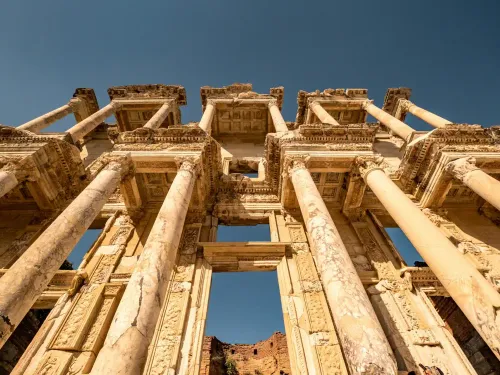
Ephesus was a grand metropolis of the ancient Greco Roman world and a major site for early Christianity and ancient religions. The city was home to the Temple of Artemis, one of the Seven Wonders of the Ancient World. Apostle Paul preached at the famous Grand Theatre before he was driven out by a riot instigated by silver smiths. St. John the Apostle also spent his final years here, where he likely composed his Gospel. A monumental 6th century basilica still holds his tomb.
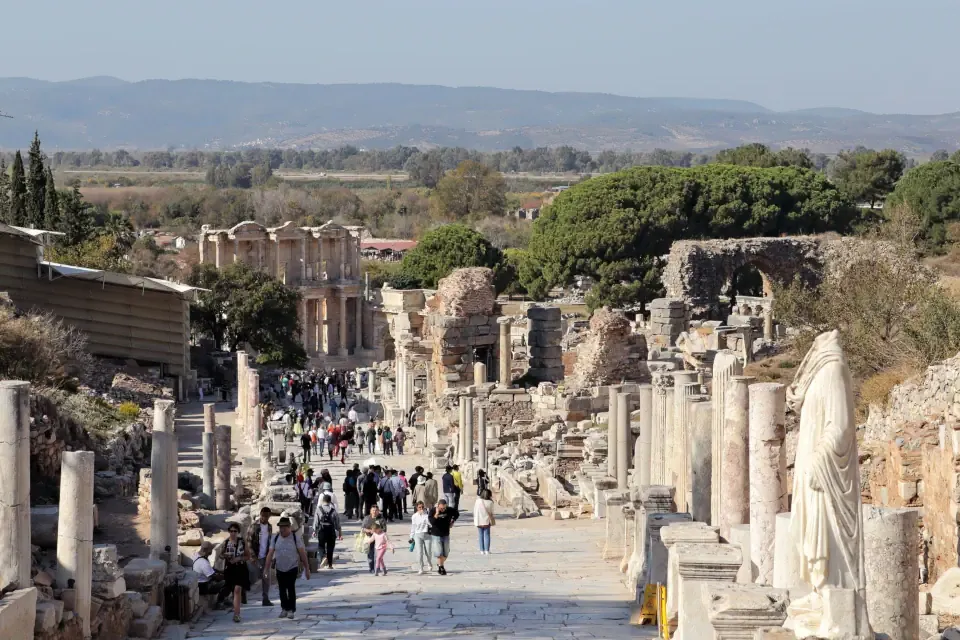
Ephesus was a premier center of early Christianity and home to the Apostle John.
2. Smyrna
Smyrna was located at a strategic location and was renown with its formidable military fortifications and wealth obtained from trade. The Christian community of Smyrna however could not enjoy the safety and prosperity the city offered as they refused to call the emperor “Lord” and worshipped a single god, completely opposing the ordinary lifestyle where multiple gods were worshipped. These Christians faced intense persecution and the message to Smyrna in the Bible was exclusively one of comfort and encouragement rather than theological rebuke. This historic port city thrives as Izmir, Turkey’s third largest urban metropolis.
3. Pergamon
Pergamon boasted a legendary royal library that famously rivaled Alexandria’s. The city was known to be a cultural and intellectual capital. It also housed an ancient medical center that revolved around the worship to the god of health, Asklepios. In biblical texts, its congregation was praised for remaining faithful despite living at such a famous site of pagan worship. The acropolis preserves stunning ruins, including the ancient world’s steepest hillside theater, the healing center named Asklepion and the monumental site of the Altar of Zeus.
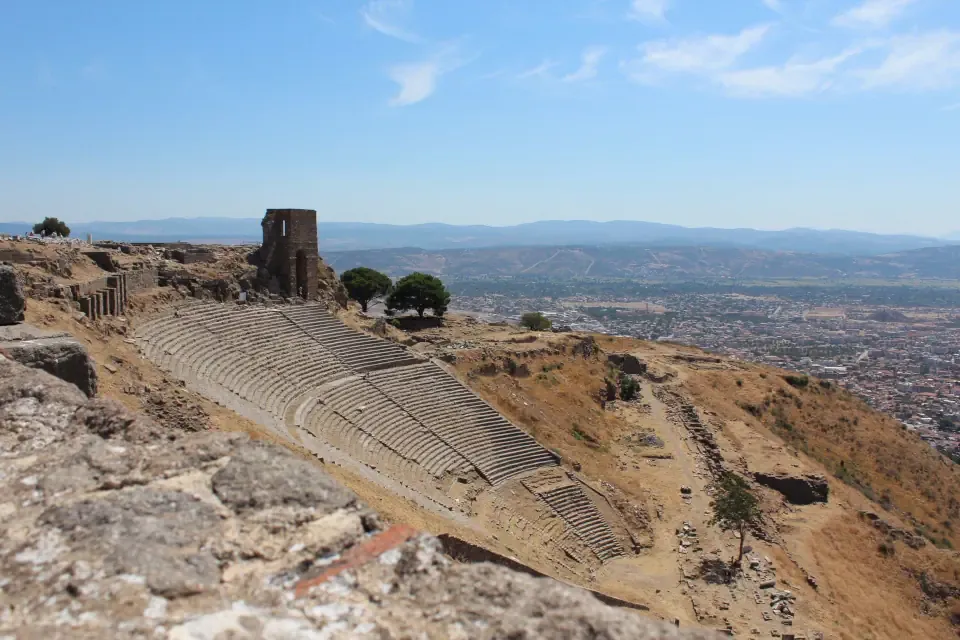
Pergamon housed a legendary library and the steepest ancient theater tier system in the classical world.
4. Thyatira
Ancient Thyatira, which was a small commercial hub, is almost entirely buried beneath the modern streets of a modern Turkish city named Akhisar. A small archaeological park is open to travelers. The first Christian community of the ancient city was commended for its deep love and service. However, they were also strongly criticized for being tolerant in the wrong place. This community receives the longest of letters amongst the seven churches. There is also a warning about a woman leading the good Christians astray and she is called “Jezebel” so that people understand her words are not to be trusted.
5. Sardis
Sardis was once the capital of the ancient Lydian empire where the world’s first official coins were minted. Sardis was a center of Artemis worship and home to the largest ancient Jewish synagogue in antiquity. The Christian community was criticized as being alive in name but spiritually dead. Only a small minority of this Christian community was told that they were “actually listening”, warning others to “hear, repent and walk with the Lord”.
6. Philadelphia
Philadelphia, which means “the city of brotherly love” was a prosperous city. The Christian community was physically small and financially modest. Yet, they were commended for their faith against liars and for keeping the faith despite a lack of strength.
7. Laodicea
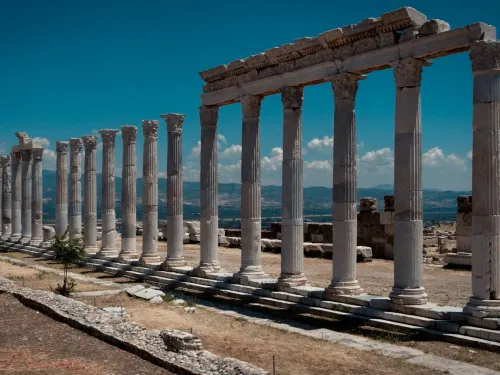
Laodicea, an ancient city situated close to the famous travertines of Pamukkale, was an affluent city renowned for its banking networks, premium black wool textiles and an elite medical school. Despite all the material success, their indecisiviness in spiritual matters was heavily criticized in the letter addressed to them. This is maybe one of the harshest letters, where the entire community is urged to seek true spiritual wealth, while telling them they are disciplined because they are loved by the Lord.
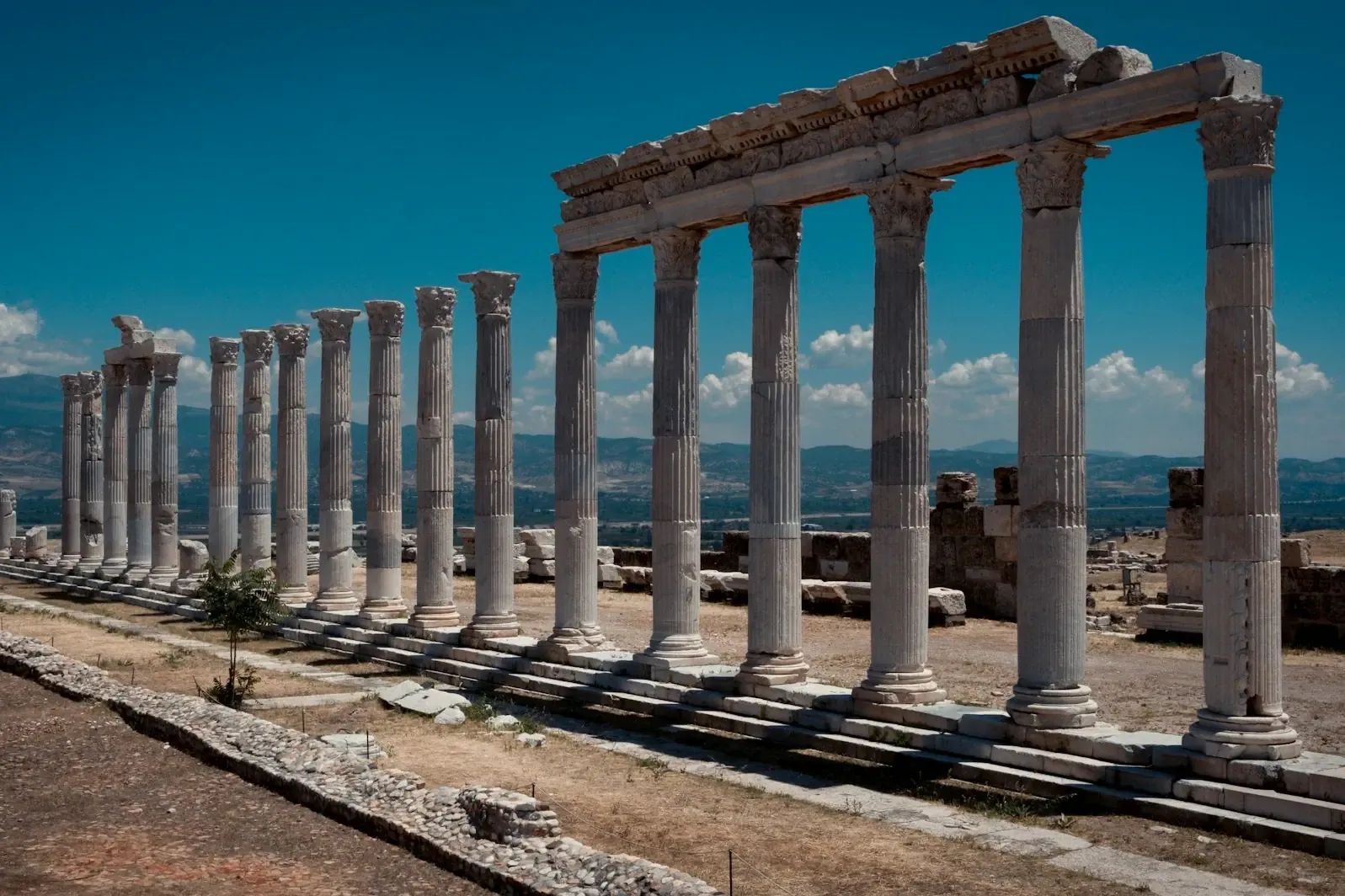
Laodicea was a wealthy commercial city criticized in the Bible for its spiritual complacency.