The House of the Virgin Mary in Ephesus
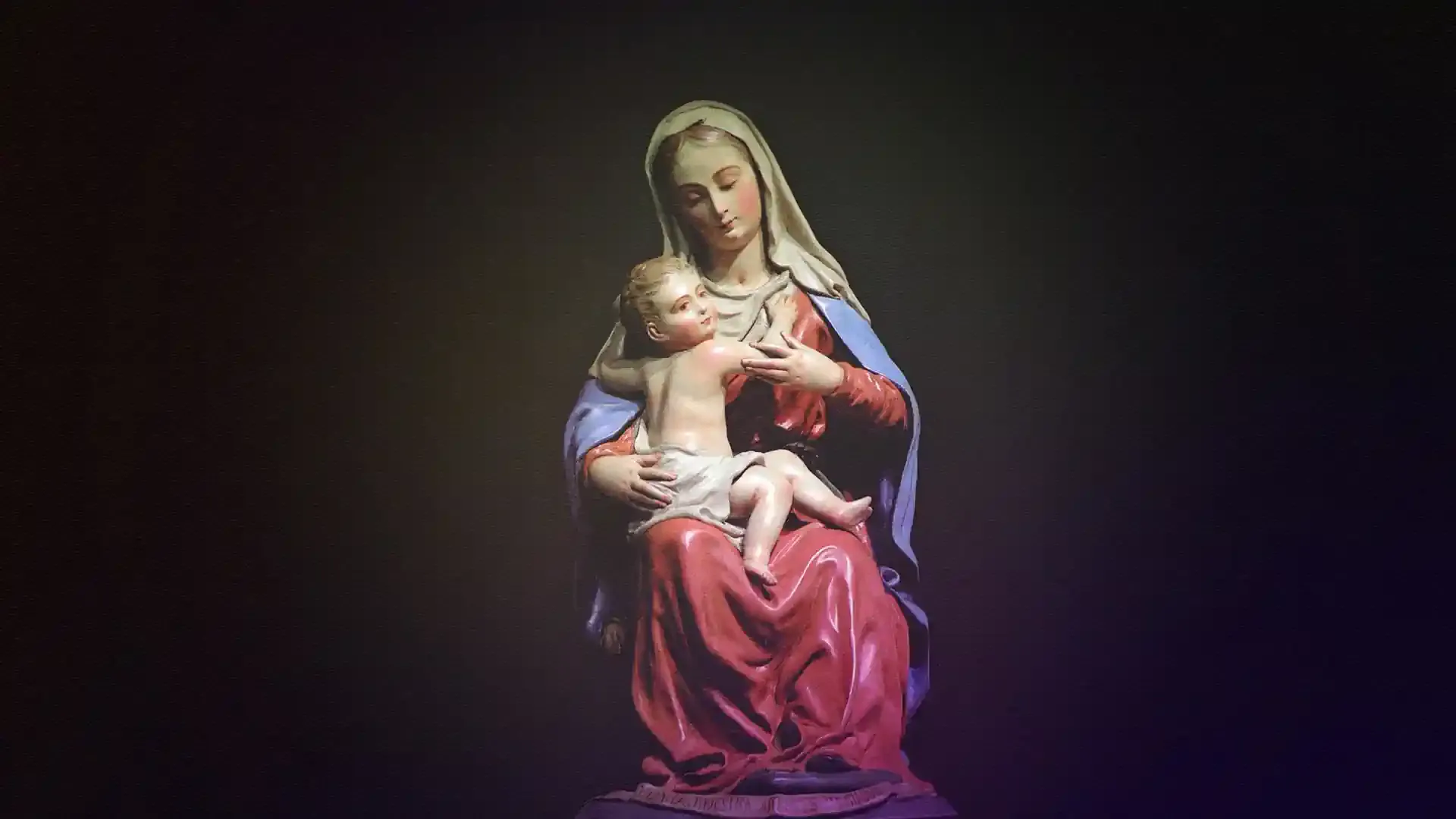
The House of the Virgin Mary located in a serene forest on Mount Koressos near Ephesus is a deeply revered pilgrimage site. This house is believed by some to be the final residence of Mary. The site holds profound spiritual importance for both Christian and Muslim visitors. You as the reader may not know this but the Virgin Mary is deeply respected by Muslims worldwide. The site never received Papal acknowledgement as being “the house” of The Virgin Mary but was honored by multiple papal visits.
Discovery and Historical Significance
The account of Mary living in the Ephesus region stems from the New Testament. In John 19:26-27, Jesus while on the crucifix, entrusts the care of his mother to St. John the Evangelist. Church tradition dictates that John traveled to Asia Minor to preach, possibly bringing Mary along with him to live out her days in safety.
Discovery and the Visions of Anne Catherine Emmerich
The discovery of the home is tied to the mystical visions of Anne Catherine Emmerich. She was a 19th century German nun who was an invalid and never left Germany. Her highly detailed descriptions of the topography and building layout were published in 1852. A local priest who was guided by her text located this ancient stone structure. Some believe her visions were confirmed by this discovery.
The House of the Virgin Mary Today
Today, the site features a modest stone chapel which is partially restored. Archaeological excavations have confirmed that the foundations date directly back to the 1st century AD. Reflecting Mary’s humble life, the interior houses a single room and an altar. Outside, visitors leave thousands of personal wishes on a prayer wall or light a candle for their loved ones.
Current Management and Global Reverence
The sanctuary is carefully managed by the Franciscan Order, who conduct regular religious services and welcome global travelers. The site is deeply venerated by Catholics and Muslims alike. This mountain retreat has been visited by three Popes: Paul VI in 1967, John Paul II in 1979 and Benedict XVI in 2006.