Basilica of Saint John: Sacred Ruins in Ephesus
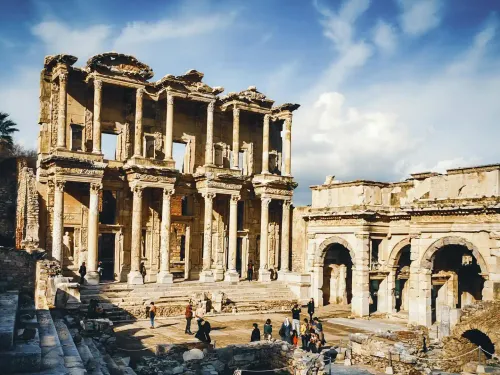
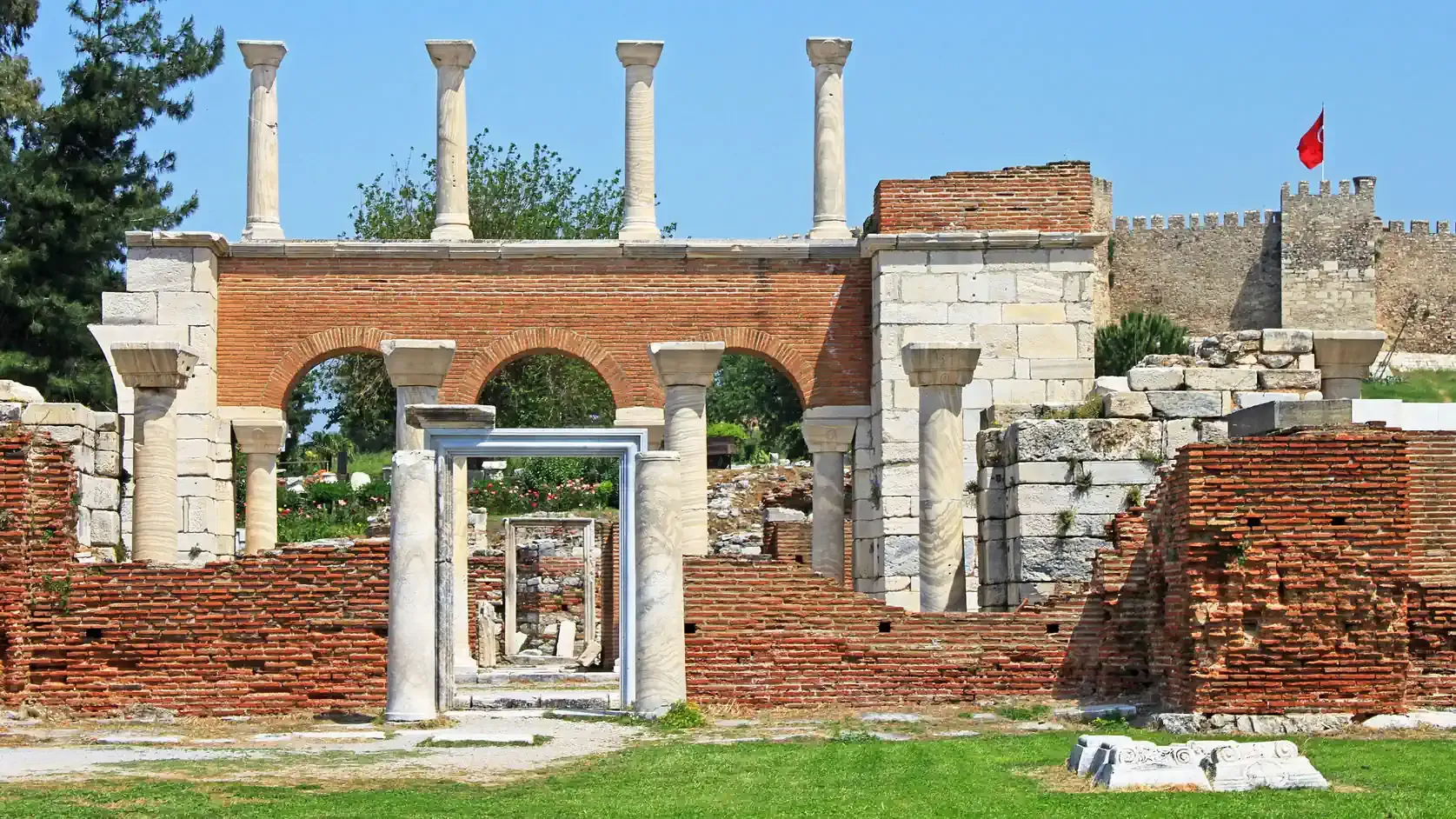
Commissioned by Byzantine Emperor Justinian, the Basilica of St. John in Selcuk stands as one of the most significant early Christian pilgrimage sites in Turkey. It is located near the ancient city of Ephesus. Visitors can also see the medieval Seljuk Castle.
History of the Basilica of Saint John
Erected in the 6th century AD, this grand church was built over the burial site of St. John the Apostle, one of the twelve disciples of Jesus Christ. The basilica was designed in a cruciform layout (a cross shape) with domes and brick arches. It was a popular site to visit amongst early Christians (about 1,500 years ago). Today, it is an important archaeological site near Ephesus, drawing travelers curious about history and Christians interested in their heritage.
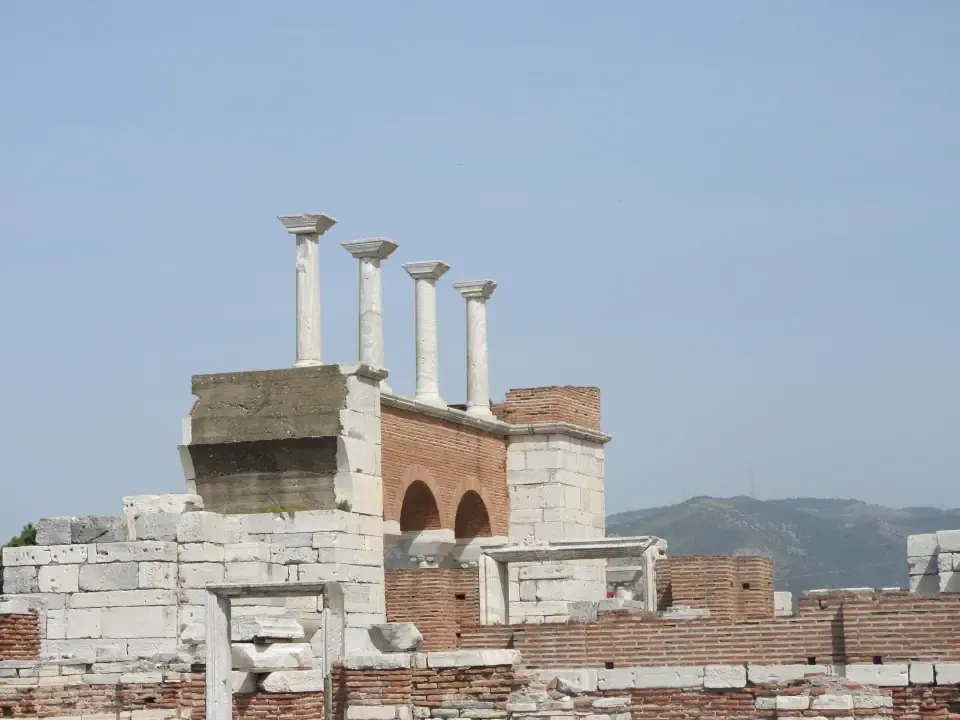
The grand Byzantine basilica was constructed directly over the traditional tomb of St. John the Apostle.
St. John & The Virgin Mary
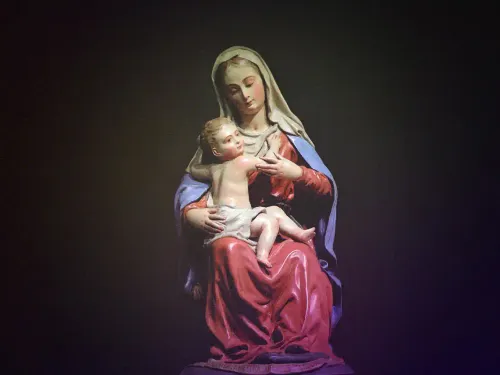
Christian tradition identifies Saint John the Apostle as the author of the Gospel of John. He is also the guardian of the Virgin Mary as he was entrusted by Jesus during the crucifixion. The Virgin Mary and Saint John the Apostle reportedly left Jerusalem and settled near Ephesus in Asia Minor, where John preached until his death. This historical connection may also explain why the nearby ruins of a small building is regarded to be the House of the Virgin Mary.
Local tradition holds that St. John and the Virgin Mary spent their final years preaching in the Ephesus area.
How To Visit the Basilica of Saint John
The basilica is located in the center of Selcuk. It is within walking distance of the Temple of Artemis and the Ephesus Museum (not the ancient site but the museum building). Entry includes admission to the Seljuk Castle found right above the ruins. Internal castle restorations are ongoing and most visitors climb for the panoramic view of the surrounding area.