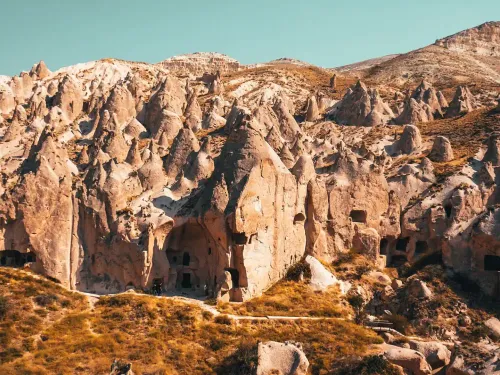
Episode Summary: Discover two of Cappadocia’s most famous sites with a single museum ticket. Learn how massive mushroom shaped fairy chimneys were sculpted by nature in Pasabag (Monks Valley), visit a hermit’s isolated tower and walk through the abandoned rock hewn village of Zelve, inhabited until the 1950s.
Introduction: One Ticket, Two Iconic Valleys
With a single entrance ticket, you can explore two distinctly different geological and historical marvels in central Cappadocia:
- Pasabag (Monks Valley): Home to the region’s largest and most famous fairy chimneys.
- Zelve Open Air Museum: A vast, abandoned cave town spanning three valleys where Christians and Muslims lived side by side until the mid 20th century.
💡 Traveler Tip: Keep your ticket handy after visiting Pasabag! Zelve is located just a 4 minute drive (or a 20 minute walk) away.
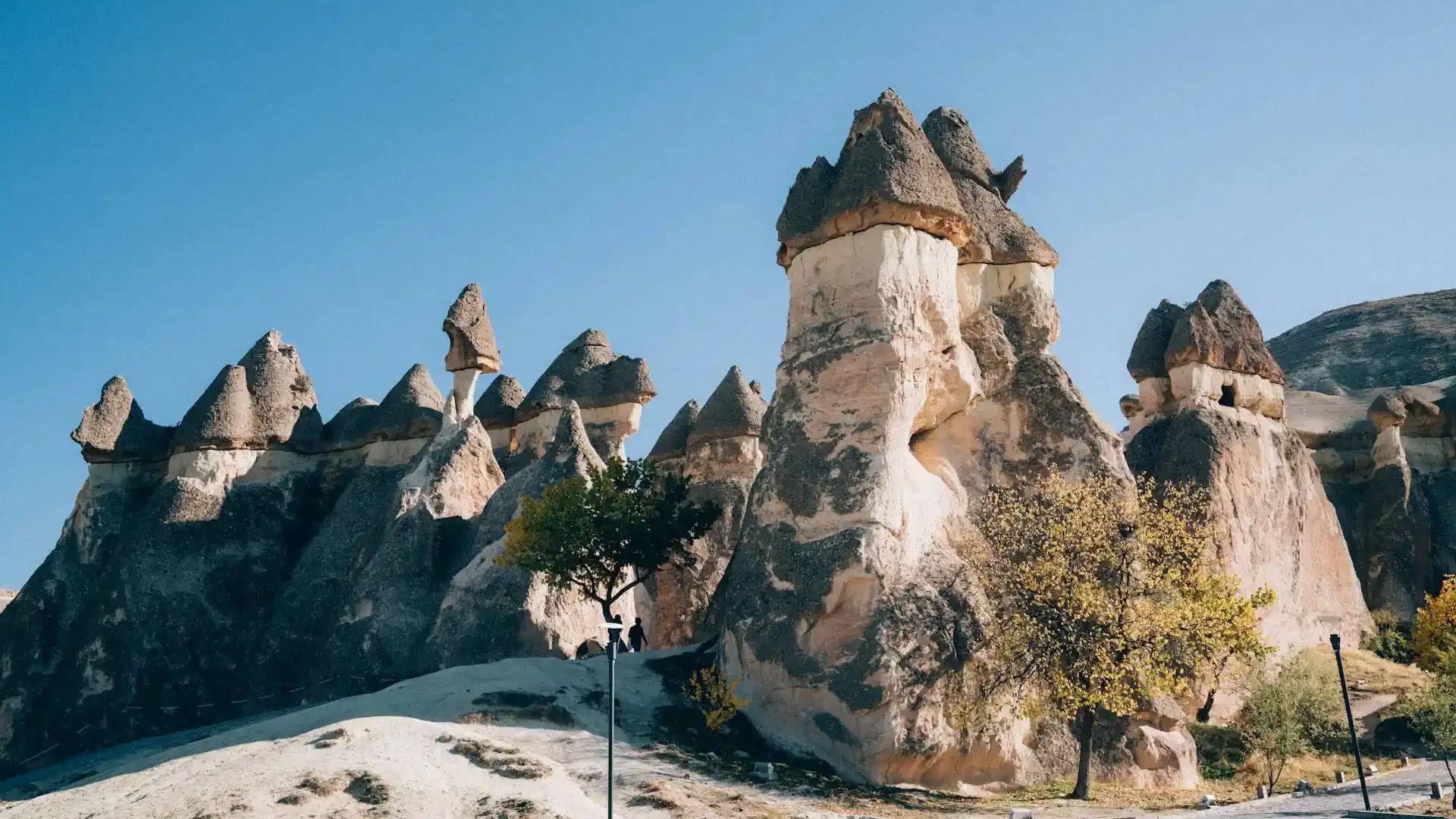
Many visitors assume the fairy chimneys were built by human hands and the caves were formed naturally. It is actually the exact opposite: nature carved the fairy chimneys, while humans carved the caves inside them.
Tuff vs. Basalt: The Umbrella Effect
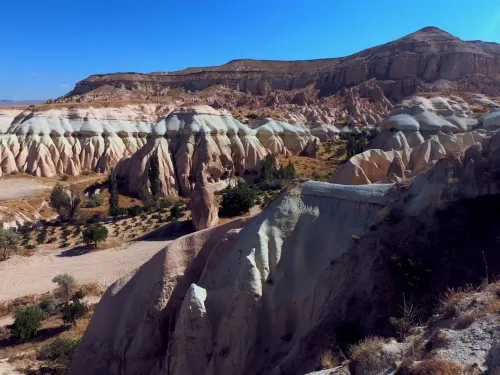
Millions of years ago, volcanic eruptions deposited layers of ash across Cappadocia, which calcified over time into a soft, porous rock called tuff.
- The Soft Layer (Tuff): Subject to erosion by wind, rain and melting snow. Varying mineral compositions give tuff its vibrant colors (for instance, oxidized iron creates the pink hues in Red Valley).
- The Hard Layer (Basalt): Heavy, highly resistant volcanic rock sitting on top of the soft tuff.
The Creation & Aging Process
- The Protection Phase: Over thousands of years, rain washed away unprotected soft tuff. However, the hard basalt cap acted like a protective umbrella, shielding the soft rock directly underneath it from vertical erosion.
- Pillar Formation: As surrounding unprotected earth was washed away, a tall pillar formed beneath the basalt cap, creating a classic fairy chimney. The ground level where you stand today was once as high as the basalt “hats”.
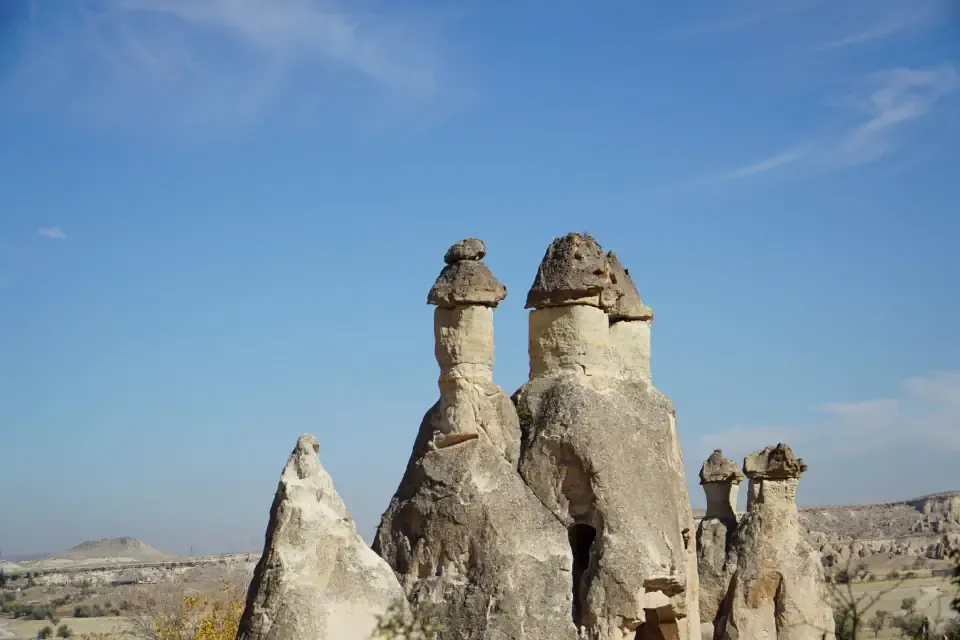
- Loss of the Hat: As wind and rain wear down the supporting pillar, it grows too thin to hold the heavy basalt stone. The basalt cap eventually falls off, leaving a bare, rounded spire.
Age Comparison: The thick pillars and massive multiple headed formations in Pasabag indicate that these are among the youngest fairy chimneys in Cappadocia.
Monastic Life & The Hermit’s Tower in Pasabag
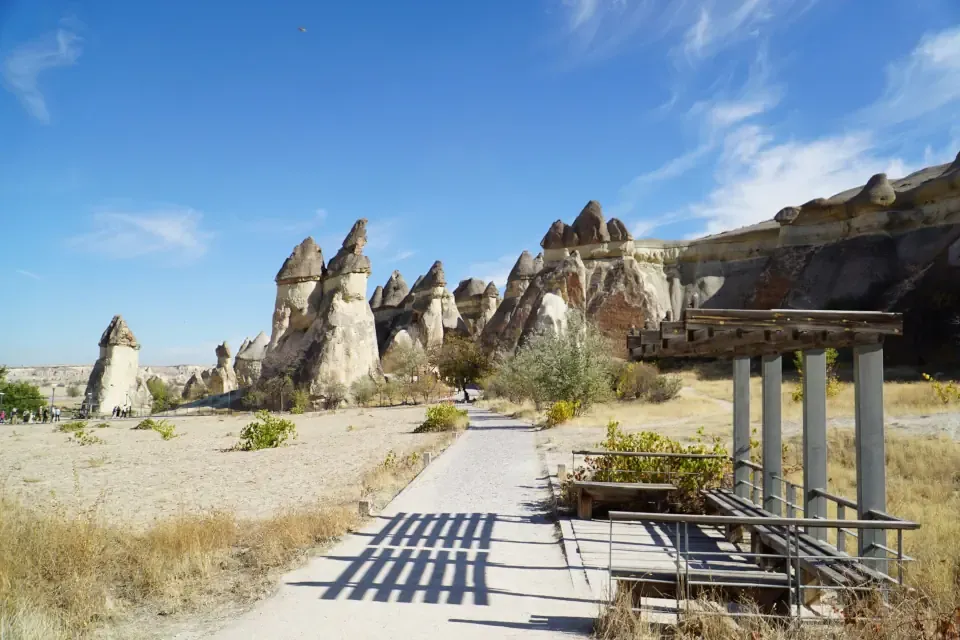
Following the main walking path through Pasabag leads to a central courtyard surrounded by towering rock spires:
- Monastic Community: Monks carved small dwellings and storehouses directly into the spires and used vertical shafts to climb into upper chambers.
- The Hermit’s Shelter: Isolated from the main courtyard stands a famous three capped fairy chimney blocked by a metal door.
- The ground floor served as a small church.
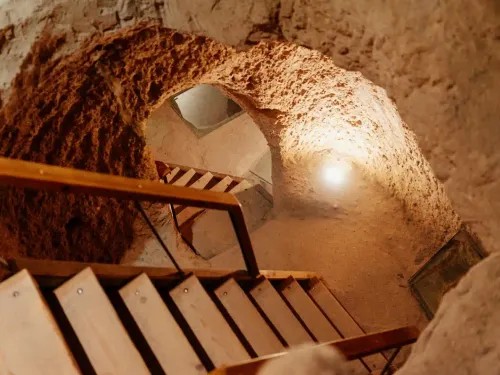
- To achieve absolute solitude, a hermit built his personal living quarters high above the church, accessible only via a steep vertical climb inside the rock. This hermit dedicated his life to biblical study away from the world.
Zelve Open Air Museum: The Abandoned Cave Village
While Pasabag features isolated religious retreats, the nearby Zelve Open Air Museum was a thriving village inhabited by regular families who were farmers, millers, winemakers and merchants.
Why Carve Homes in the Hillsides?
Because Cappadocia is a dry landscape with very few trees, early residents lacked timber and sturdy surface stone for traditional construction. Taking advantage of the soft tuff rock, they carved directly into hillside slopes:
- Terrace Style: Homes were carved into low to medium sloped hills. The front entrance served as a retaining wall, while the living space extended into the hill behind it.
- Expanding Homes: As families grew, the younger generation carved additional rooms into the rock to expand the household.
The Three Valleys of Zelve
- Valley 1 (Left): Features a rock cut flour mill, two early cave churches and communal storage caves.
- Valley 2 (Middle): Home to additional abandoned cave houses and a central chapel.
- Valley 3 (Right - Main Loop): Reached via stone stairs. Features a half carved, half built mosque sitting directly across from a Christian monastery, showcasing these people of different religions lived peacefully for generations. High up the cliff walls, you can see carved pigeon houses where locals collected droppings to fertilize their crops.
Daily Life, Kitchens & The 1950s Evacuation
Communal Kitchens & Ovens
Unlike modern homes, private cave houses in Cappadocia did not have indoor kitchens:
- The Problem: The porous tuff rock absorbs cooking smoke. When weather gets humid, soot stained caves emit an unpleasant odor.
- The Solution: Cooking was done in separate, communal kitchen caves using ground pit ovens called tandır (similar to the Indian tandoor concept). Multiple families shared these kitchen caves, preparing meals in sealed clay pots which gave birth to the famous local specialty, Pottery Kebab.
The 1950s Resettlement
Living in soft rock carries inherent risks. Frequent landslides and cave ins prompted the Turkish government in the 1950s to permanently evacuate Zelve. Residents were relocated 2 kilometers away to a safer, flatter area (modern Aktepe/New Zelve) away from steep cliff faces.
Natural Insulation: Thermal Comfort in the Desert
Despite the hard labor of carving stone, cave houses offered an incredible advantage: natural thermal regulation.
| Season |
Outside Temperature |
Inside Cave Temperature |
| Summer (Jun–Aug) |
~100°F (38°C) |
~60°F (16°C) |
| Winter (Dec–Mar) |
35°F to 40°F (0°C to 5°C) |
~60°F (16°C) |
This constant year round climate protected residents from the severe desert like extremes of Cappadocia weather with zero heating or cooling costs.
Practical Visitor Tips
- ⏱️ Location & Access: Both valleys sit in central Cappadocia, roughly a 15 minute drive from main hub towns like Goreme, Urgup, or Uchisar. If you’re not using our services to see these sites, you can check our Guide To Public Transport In Cappadocia
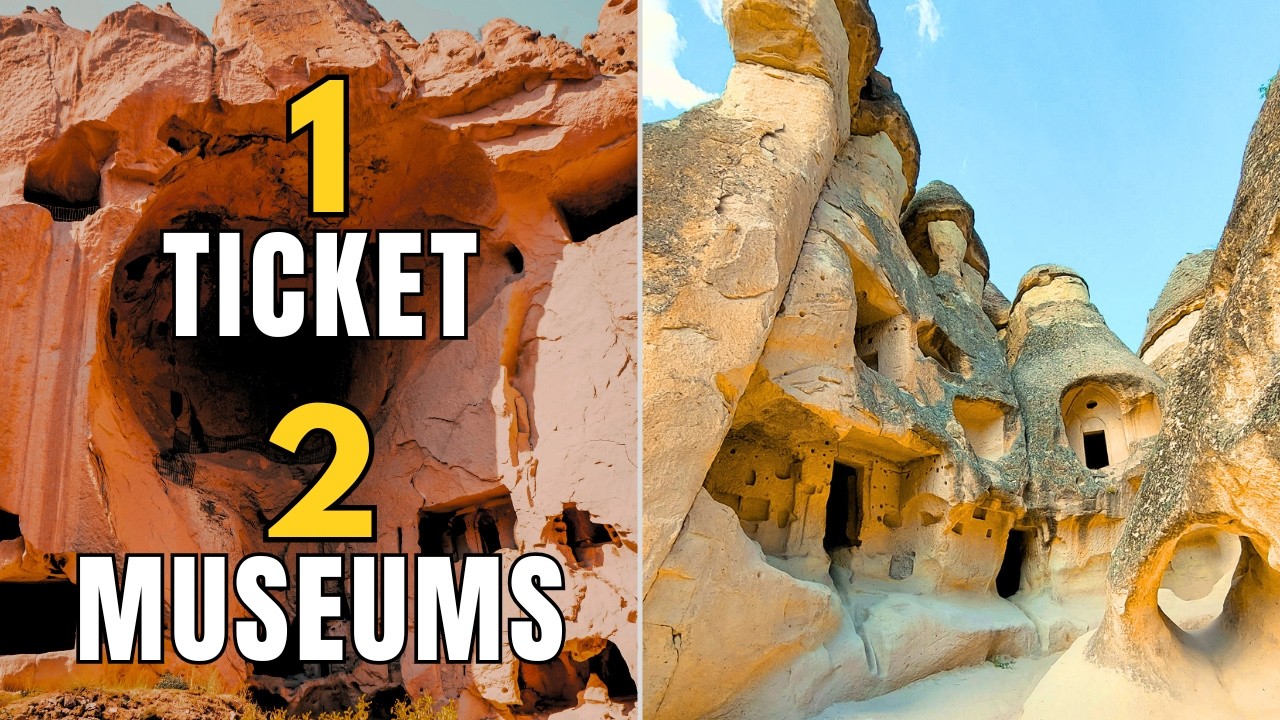
- 🎫 Ticket Value: Remember that your entry ticket covers both Pasabag and Zelve on the same day.
- ⚠️ Safety Caution: When climbing upper cave levels in Pasabag, be extremely careful. There are no safety nets or guardrails along elevated ledges.
Support the Show: Enjoying these local audio guides? Please take a moment to leave a rating or review on Spotify, Apple Podcasts or YouTube.