Sirince Village: Aegean Gastronomy & Fruit Wines
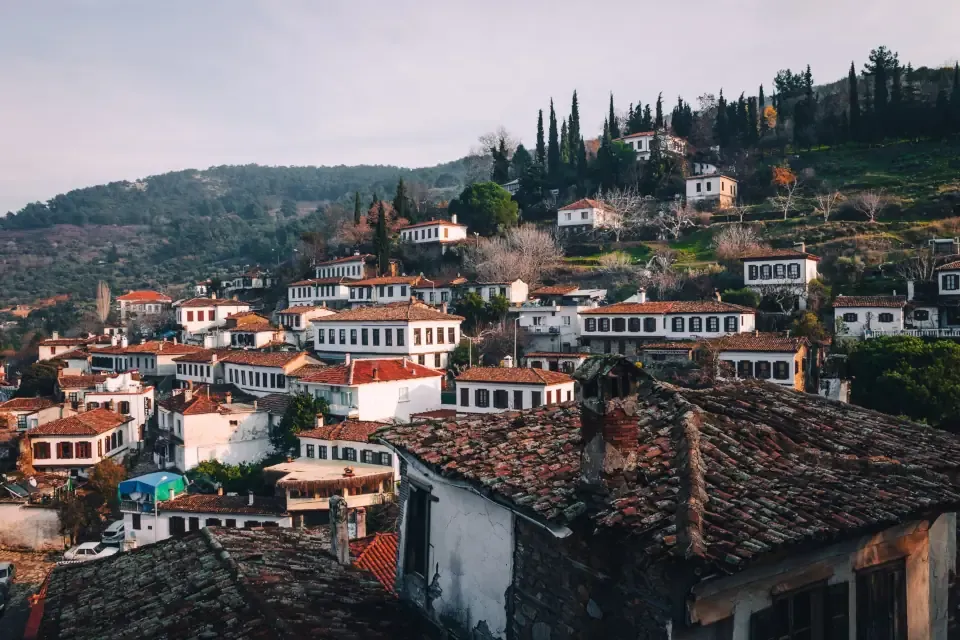
Sirince is a classic example of 19th century Aegean village architecture. Originally named Cirkince (“Ugly”) to deter unwanted visitors, the village was renamed Sirince (“Pleasant”) in the 1920s. Today, the village attracts visitors to see its preserved whitewashed houses and stone courtyards. What is also enticing about Sirince is its culinary scene thanks to the surrounding olive trees and vineyards.
Highlights & Gastronomy of Sirince
Fruit Wines & Tasting Cellars
Sirince is renowned for its sweet fruit wines crafted from locally harvested produce. Small tasting cellars in the village invite travelers to sample wines fermented from sour cherries, blackberries, quinces, pomegranates, melons and peaches alongside traditional grape vintages.
Aegean Food & Olive Oil Culture
The culinary landscape of Sirince revolves around the Mediterranean slow food philosophy. The food is centered on cold pressed olive oils, herbs and fresh produce.
- Olive Oil Mezes: Taste regional specialties including stuffed vine leaves and sea fennel dressed in garlic and lemon.
- Village Breakfasts: Garden to table spreads featuring local goat cheese, green olives crushed with walnuts, handmade jams and flatbreads.
- Dibek Coffee: Traditional Dibek coffee is stone ground with cardamom and served alongside Turkish delight.
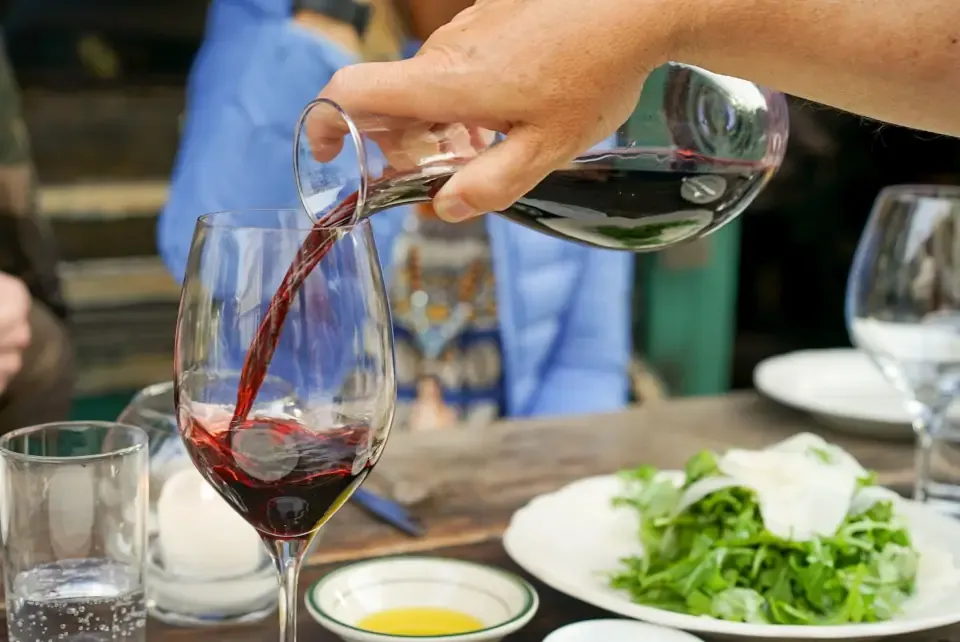
Village taverns serve traditional Aegean mezes prepared with cold pressed olive oil from local groves.
Historic Architecture & Church Ruins
You can wander through the pedestrian only cobblestone streets to see the traditional stone houses with timber balconies. At the top of the village is the Church of St. John the Baptist. The church features a courtyard, a spring fountain and panoramic views of the village’s terracotta rooflines.
Practical Travel Tips:
- Transit: Located just 15 minutes (8 km / 5 miles) up the mountain road from Selcuk, making it an ideal stop after visiting Ephesus. Regular minibuses connect Selcuk to Sirince.
- What to Bring: Wear comfortable, non slip footwear for navigating the steep cobblestone streets. Leave room in your bag for local olive oil soaps and wine bottles.
- Seasonality: Beautiful year round. Weekdays in spring and autumn provide the quietest experience as local crowds gather in the weekends. Autumn coincides with the grape and olive harvest season.