Saint Paul Trail: Mountain Wilderness
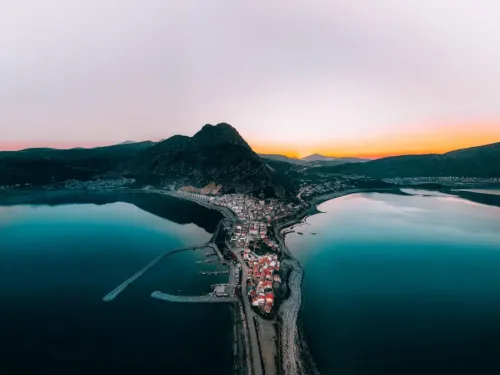
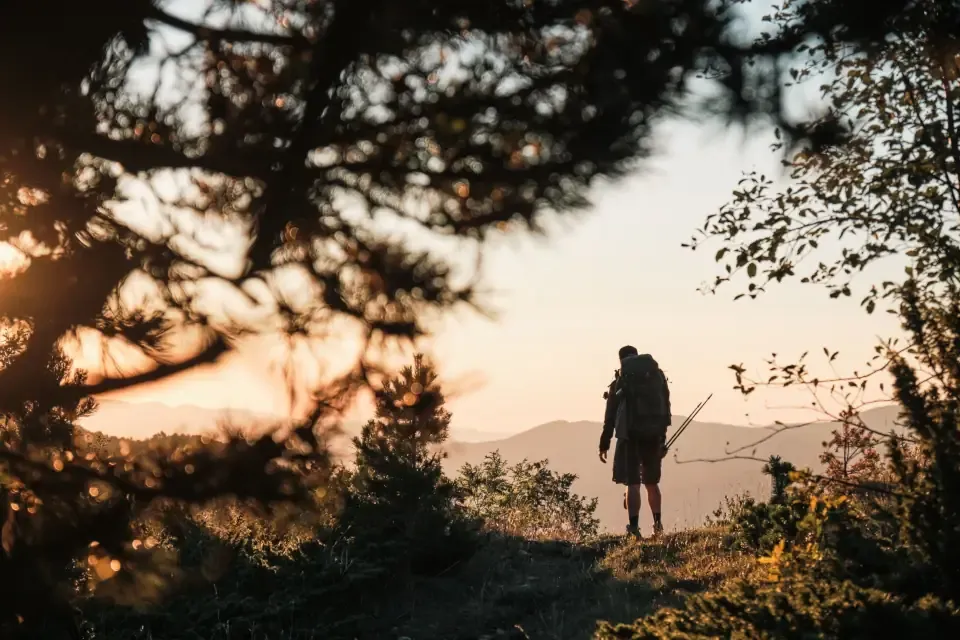
The Saint Paul Trail stretches about 310 miles (500 kilometers) across southwestern Turkey. It is the second long distance trekking route in Turkey organized after the Lycian Way. The route features climbs from the Mediterranean coastal plains up into the wild, high altitude landscapes of the Taurus Mountains and the Lakes District.
Highlights of the Saint Paul Trail
Ancient Roman Roads & Mountain Passages
Unlike coastal trekking routes, the Saint Paul Trail cuts deep into rugged mountain terrain. Stretches of the trail follow well preserved Roman paved highways constructed over 2,000 years ago.
Yazili Canyon & Dramatic Gorges
One of the trail’s most breathtaking natural landmarks is Yazili Canyon. This deep gorge was carved by streams and features lush forests, natural swimming pools and ancient Greek philosophical inscriptions. One of those is a famous poem by Epictetus, chiseled into the canyon walls.
Archaeological Marvels of Pisidia
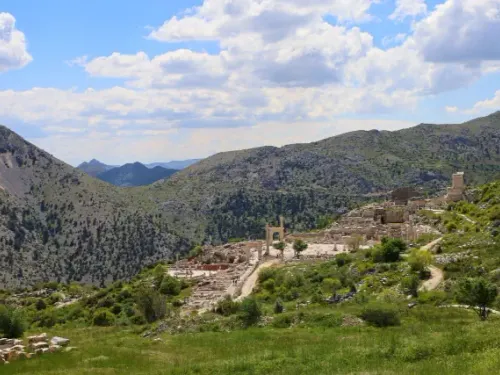
Hikers will come across Greek and Roman cities in the mountains. Highlights include the classical ruins of Adada (featuring four intact Roman temples) as well as Antioch in Pisidia, where St. Paul delivered his first recorded sermon.
Village Homestays & Highland Culture
The route connects remote villages where traditional pastoral life remains largely unchanged. Local villagers offer accommodation in family run pensions, serving meals prepared with fresh goat cheese, wild thyme tea, mountain honey and flatbreads.
Location & Trekking Guide
The trail has two starting branches: one beginning at Perge and another at Aspendos (both near Antalya). They both merge at Koprulu Canyon before heading north toward Lake Egirdir and finishing at Yalvac (Isparta province).
Seasonal Trekking Guidelines:
- Spring (April - June): Ideal conditions with wildflowers, waterfalls and pleasant temperatures 59°F-77°C (15°C-25°C). Snow may persist on high passes until May.
- Autumn (September - November): Crisp air, clear skies and stable weather make autumn another excellent window for long distance hiking.
- Summer (July - August): Extremely hot on lower stretches and mountain climbs, with water sources running dry. Summer hiking is recommended only for high altitude segments near Lake Egirdir with short stretches.